
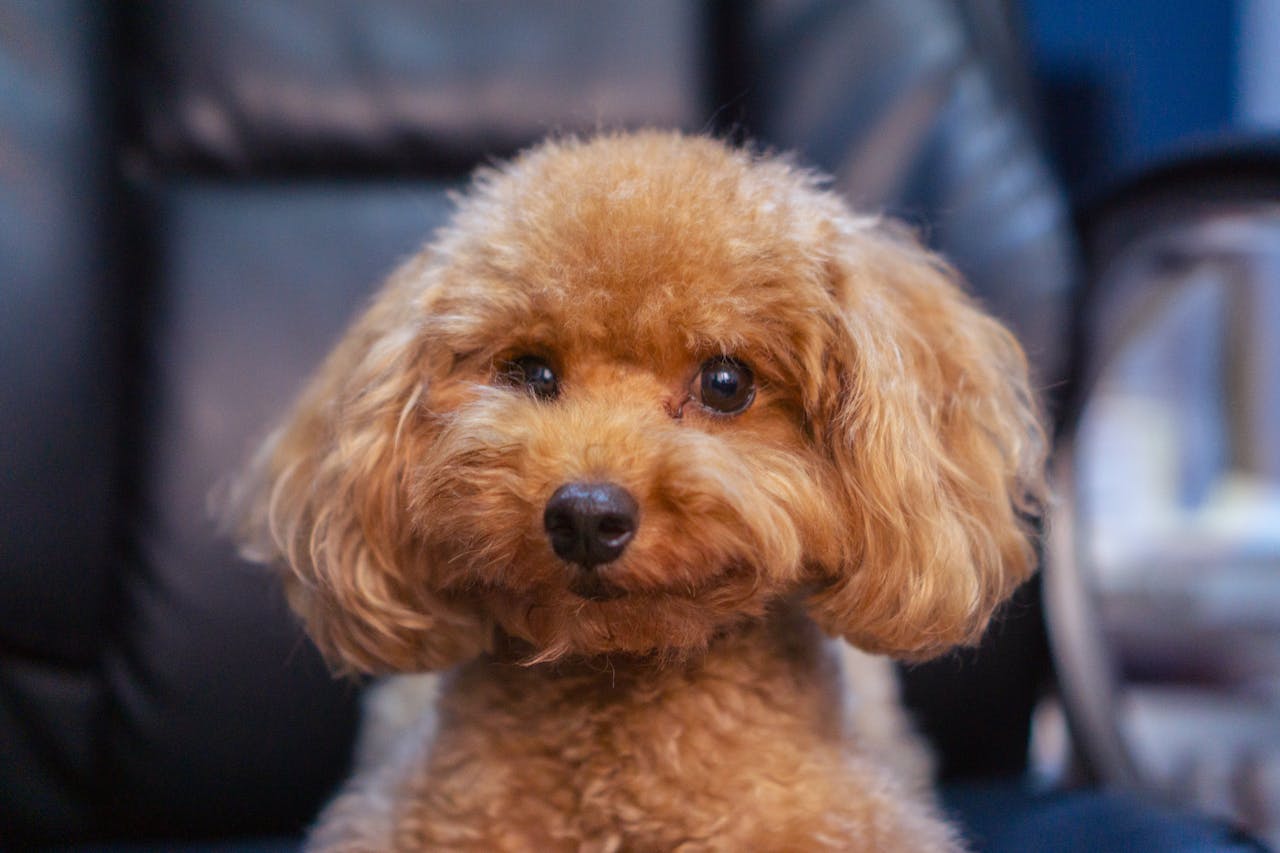
Training a Teacup Poodle can be both fun and rewarding. These tiny dogs are intelligent, affectionate, and eager to please, but they also have unique traits that make training a bit different from other breeds. Whether you’re a first-time owner or experienced dog parent, this guide will cover everything you need to train your Teacup Poodle effectively, from basic obedience to advanced tricks.
Teacup Poodles are known for their playful, friendly, and intelligent nature. They thrive on human interaction and can quickly become your shadow. Their small size doesn’t mean they have low energy; in fact, they often have bursts of playful activity.
While highly trainable, Teacup Poodles have short attention spans. Keeping training sessions brief, around 5–10 minutes at a time, ensures they stay engaged and avoid frustration.
Teacup Poodles are smart but can be sensitive. They may develop anxiety if left alone and often need reassurance, especially during socialization or when encountering new environments.
Early training helps your Teacup Poodle learn how to interact with other dogs, people, and new surroundings. This reduces fear and helps them adapt confidently.
Consistent training prevents common issues like excessive barking, chewing, or aggression, setting your dog up for a calmer, happier life.
Training strengthens your bond. Positive interaction during sessions creates trust and improves communication between you and your pup.
Select a quiet area free of distractions. This helps your Teacup Poodle focus on commands and rewards without being overwhelmed.
Use small, soft treats, a clicker, and favorite toys. These tools make learning enjoyable and reinforce good behavior.
Set achievable objectives. Start with basic commands before moving on to more complex behaviors, ensuring progress is steady and measurable.
These foundational commands are essential for safety and daily life. Practice in short sessions and reward immediately for compliance.
Teaching “down” helps control energy, while “leave it” prevents your dog from picking up unsafe items during walks or at home.
Small bladders mean frequent potty breaks. Schedule consistent times and praise success to reinforce good habits.
Small, soft treats work best for Teacup Poodles. Reward immediately after the desired behavior to reinforce learning.
Use a cheerful tone and gentle petting. Positive reinforcement strengthens the bond and encourages repeated good behavior.
A clicker marks correct behavior precisely. Pair it with treats to make commands easy to understand and respond to.
Crates provide safety, comfort, and a space for relaxation. They also help with potty training and reducing anxiety.
Start slowly, allowing your dog to explore the crate freely. Feed meals inside and gradually extend time spent in the crate.
Never use the crate as punishment. Avoid leaving your dog inside for extended periods, which can increase anxiety.
Allow gradual, positive introductions to strangers. Offer treats and praise to associate new people with good experiences.
Supervised interactions with other pets help your Teacup Poodle develop confidence and social skills.
Use calm voices and slow exposure. Avoid forcing interaction and respect your dog’s pace.
Identify triggers and redirect attention. Reward quiet behavior and use commands like “enough” consistently.
Provide chew toys and discourage inappropriate chewing. Rotate toys to maintain interest.
Gradually increase alone time and leave comforting items like a favorite blanket or toy.
Start indoors with short sessions, gradually moving outdoors. Reward calm walking and prevent pulling.
Teach fun tricks like “spin” or “shake” to challenge the mind. Mental stimulation reduces boredom and problem behaviors.
Set up small obstacle courses. Teacup Poodles excel at agility exercises and love interactive play.
Consistency is key. Multiple short sessions daily are more effective than one long session.
Use a journal or app to monitor commands learned, improvements, and challenges.
Every dog is unique. Adapt methods based on temperament, motivation, and learning speed.
Respect your Teacup Poodle’s pace. Some learn faster, others need gentle repetition.
Never use physical punishment. It creates fear and can damage the bond.
Reward progress, no matter how small. This builds confidence and enthusiasm for training.
Puzzle toys and treat dispensers challenge the mind and make training fun.
Use apps for tracking, video tutorials, and tips from professional trainers.
If needed, consult certified trainers for personalized guidance or specialized issues.
Responding quickly to commands shows comprehension and consistency in learning.
A confident, calm demeanor indicates successful socialization and training.
Tail wagging, playfulness, and eagerness to participate in activities are positive signs.
Aggression, extreme anxiety, or compulsive behaviors may require a professional.
Sudden behavioral changes could signal underlying health issues.
Look for certified, experienced trainers with positive reinforcement expertise.
Training a Teacup Poodle takes patience, consistency, and understanding. Using positive reinforcement, short sessions, and proper socialization ensures your small companion grows into a well-behaved, confident, and happy dog. Celebrate progress and enjoy every step of the journey together.
We had a wonderful experience at Waggs to Riches. The owner, Kim, and her team were extremely thorough, polite and helpful and we are so happy with our new addition to our family….a Maltipoo called Logan! The purchase process was very professional and Kim ensures everything is done to the highest standard. All her puppies are happy and healthy and are cared for so well. Thanks Kim!
~ Peter Rice
Monday-Saturday 11-6
Sunday 12-4
Copyright © 2026 Waggs To Riches Pet Boutique. Developed by Wyne Technologies LLC .