
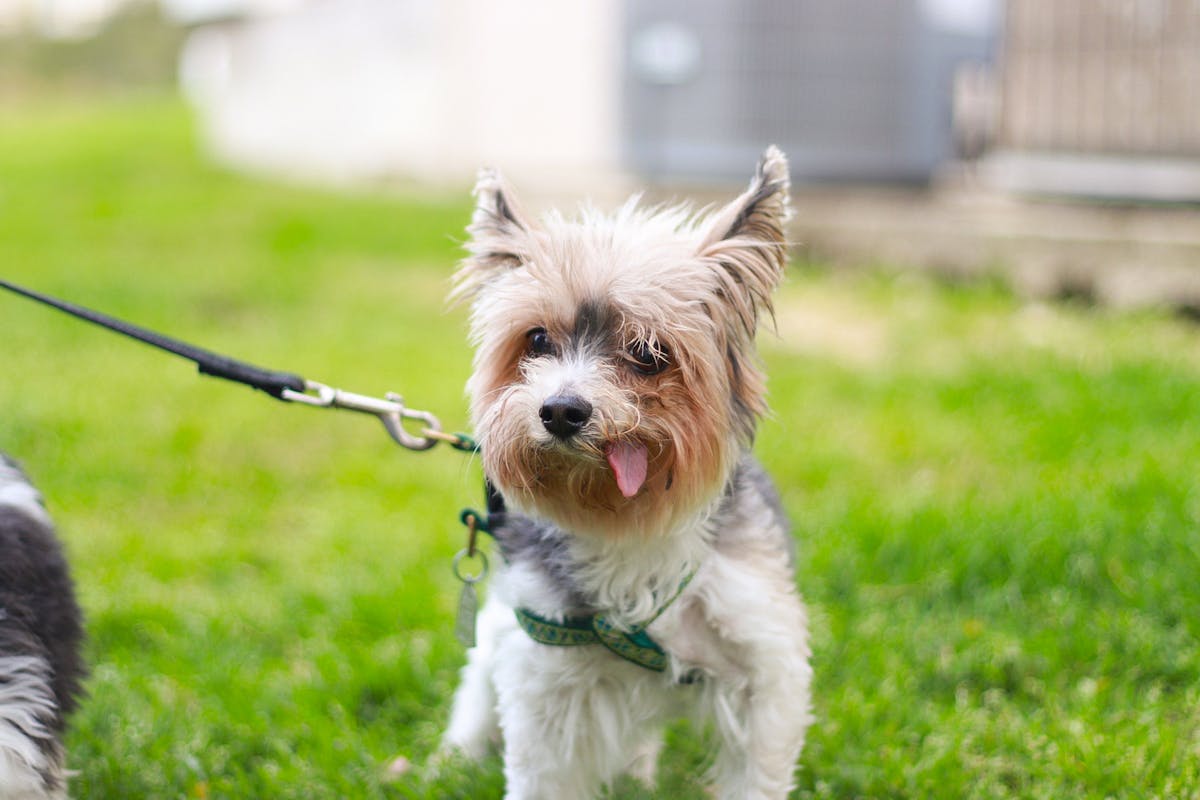
Training your Bichpoo is essential to ensure they grow into a well-behaved, confident, and happy companion. These small, intelligent dogs combine the playful energy of the Bichon Frise with the curiosity and charm of a Poodle, making them highly trainable but sometimes a little stubborn. Understanding their traits helps in shaping a training plan that works.
Without training, Bichpoos may develop bad habits like excessive barking, chewing, or anxiety. A structured approach improves their behavior, strengthens the bond with their owner, and ensures a happier home environment.
Bichpoos are energetic, affectionate, and eager to please. However, they can be sensitive, so harsh methods don’t work. They thrive on positive reinforcement and consistent routines.
Bichpoos inherit high intelligence from both parent breeds. This makes them quick learners who enjoy mental challenges. However, they may also get bored easily, so training should be fun and varied.
Friendly and sociable, Bichpoos love human interaction. Early socialization prevents shyness or fearfulness around other pets and strangers.
Separation anxiety, excessive barking, and chewing are common. Understanding these tendencies allows you to address them proactively during training.
Reward your Bichpoo with treats, praise, or play for good behavior. Positive reinforcement encourages repetition and builds trust.
Dogs learn best with regular schedules. Always use the same commands and rules to avoid confusion.
Immediate feedback helps them associate the behavior with the reward. Stay patient and keep sessions short to maintain attention.
Choose a quiet, distraction-free area. This helps your Bichpoo focus on commands without outside interruptions.
Have treats, a clicker, leash, and harness ready. Avoid tools that cause fear or discomfort.
Train when your dog is alert but not overexcited or hungry. Sessions of 5–10 minutes work best for puppies, longer for adults.
Take them outside regularly, especially after meals and naps. Praise them immediately when they go in the right place.
Never punish. Clean accidents thoroughly and guide them to the correct spot consistently.
A properly sized crate provides safety and encourages bladder control. It also helps with separation anxiety.
Start with essentials: sit, stay, come, down, and leave it. Use treats and repetition for best results.
Break commands into small steps. Reward partial success to build confidence before full mastery.
Redirect chewing to toys, ignore attention-seeking barking, and stay calm during corrections.
Supervised playdates help them learn appropriate social skills and reduce fearfulness.
Gradually introduce your dog to parks, streets, and public places. Positive experiences build confidence.
Encourage calm greetings. Reward relaxed behavior and avoid forcing interaction.
Teach tricks like roll over, shake, or fetch to engage their mind and bond with your dog.
Short agility courses or structured play provide physical activity and improve focus.
Clicker training enhances learning speed and clarity by marking exact moments of desired behavior.
Ignore unnecessary barking, use distraction, and provide comfort toys to reduce anxiety.
Provide chew toys and mental stimulation. Redirect destructive chewing to acceptable outlets.
Early socialization and calm reinforcement prevent fear-based aggression. Seek professional help if needed.
Puppies have shorter attention spans but adapt quickly. Adults may be slower but can learn advanced skills.
Puppies respond to short, fun sessions. Adults benefit from structured training with consistent reinforcement.
Gradually increase complexity of commands and maintain consistency in rewards.
Use small, soft, high-value treats to avoid overfeeding and maintain focus.
Compliments and petting strengthen bonds and encourage repeated good behavior.
Punishment may cause fear and reduce trust. Focus on reward-based training for long-term results.
Short, frequent sessions work better than long, infrequent ones. Include commands, tricks, and socialization.
5–15 minutes per session for puppies, up to 30 minutes for adults, ensures focus without frustration.
Keep notes of mastered commands and challenges to adjust your approach as needed.
Avoid changing rules or skipping commands. Consistency is key for learning.
Too much training leads to frustration. End sessions on a positive note.
Bichpoos are sensitive, intelligent, and energetic. Tailor training to these traits for success.
Professional classes provide structure and socialization opportunities.
Certified professionals help address anxiety, aggression, or complex behavior issues.
Seek help early for serious behavioral challenges to prevent long-term problems.
Training a Bichpoo takes patience, consistency, and positive reinforcement. By understanding their temperament, providing proper socialization, and practicing daily routines, you can raise a well-behaved, happy, and confident dog. A trained Bichpoo strengthens the bond between pet and owner while ensuring a harmonious home environment.
It varies, but basic commands often take a few weeks with consistent practice. Advanced skills may take months.
Yes, they are intelligent and eager to please, but their sensitivity requires positive reinforcement.
Absolutely. Basic obedience, tricks, and socialization can be done at home with patience and consistency.
Use calm redirection, reward quiet behavior, and provide mental stimulation to reduce boredom.
Not always, but classes or behavioral help can be valuable for socialization and addressing specific issues.
Monday-Saturday 11-6
Sunday 12-4
Copyright © 2026 Waggs To Riches Pet Boutique. Developed by Wyne Technologies LLC .