
If you have ever cared for a puppy, you already know how precious and fragile these little furballs can be. One issue that many puppy owners face but rarely talk about is puppy constipation. It might seem like a small problem, but it can cause discomfort, pain, and even lead to more serious health issues. In this blog, we will explore puppy constipation causes, how to spot the problem, and practical steps you can take to help your pup feel better fast and stay healthy long term.
Constipation in puppies means that your young dog is having trouble passing stools or is pooping less often than usual. In general, puppies should poop regularly multiple times a day. When this pattern changes, it might be a sign of an underlying issue. Constipation can make puppies uncomfortable, restless, and sometimes irritable.
Before diagnosing constipation, it helps to know what normal puppy poop looks like. Healthy puppy stools tend to be medium-firm in texture, brown in color, and consistent in shape. Puppies usually eliminate more often than adult dogs because their digestive system works faster and their smaller bodies process food quickly.
One of the most common reasons for constipation in puppies is an improper diet. Puppies that eat food that is too rich, low in fiber, or not suited to their age and breed may struggle to digest it efficiently.
Fiber helps regulate bowel movements. Without enough fiber in their diet, puppies can develop hard stools that are difficult to pass.
Puppies are active and can dehydrate quickly, especially in warm weather or after a lot of play. When the body doesn’t have enough water, stools become dry and hard.
Movement stimulates the digestive system. Puppies that aren’t getting enough physical activity may experience slower gut mobility, contributing to constipation.
Changes in environment, schedule, or social interactions can stress a puppy. Stress can directly affect digestion and lead to irregular bowel movements.
Ingesting foreign objects, such as toys, socks, or hair, can cause a blockage in the intestines. This prevents normal bowel movements and requires immediate veterinary attention.
Parasites such as roundworms or hookworms can interfere with digestion and cause stools to become irregular or difficult to pass.
Puppies sometimes suffer from impacted or infected anal glands. While not a direct cause of constipation, it can make elimination painful or uncomfortable.
Some medications can harden stools as a side effect. Always consult your vet if you notice changes after starting a new medicine.
Early signs include infrequent bowel movements, hard or dry stools, straining during defecation, and signs of discomfort like whining or frequent sitting and rising. Puppies may also lose appetite or seem lethargic.
Increasing fiber can help soften stools and promote movement. Adding a small amount of plain canned pumpkin or a fiber supplement recommended by your vet can make a big difference.
Make sure fresh water is always available. Some puppies prefer running water, so consider a pet water fountain to encourage drinking.
With clean hands, gently massage your puppy’s belly in circular motions. This can help stimulate gut movement and ease discomfort when done gently and correctly.
Short play sessions or a light walk can stimulate digestion. Just be sure not to overexert a young puppy.
If home remedies don’t improve your puppy’s condition within 24-48 hours, or if your puppy seems in pain, is vomiting, has a swollen belly, or stops eating, seek veterinary care immediately. Persistent constipation can signal a more serious health issue.
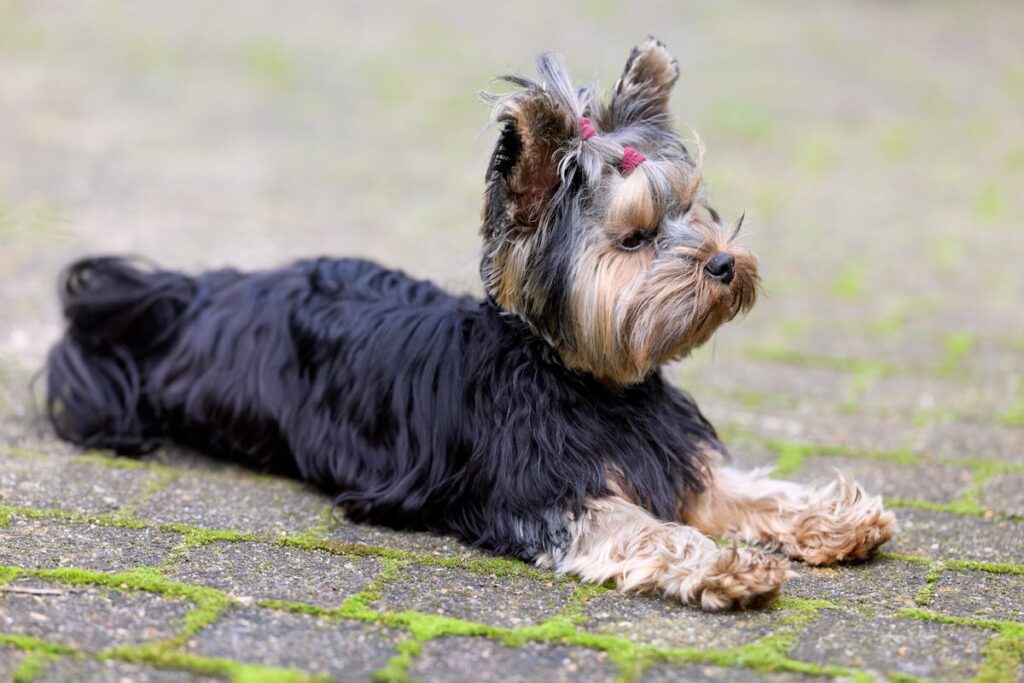
Feed high-quality puppy food that matches your puppy’s breed, age, and size. Consult your vet to ensure the diet supports good digestion and includes adequate fiber.
Always keep water available and fresh. Clean the bowl daily and encourage your puppy to drink, especially after play and meals.
Consistency is key. Daily play sessions and age-appropriate walks help keep your puppy’s digestive system working smoothly.
Foods like plain canned pumpkin, certain high-fiber kibble options, and vet-approved probiotic supplements can support healthy digestion. Always introduce new foods gradually to avoid upsetting your puppy’s stomach.
Some foods are known to cause digestive upset or constipation, including dairy products, fatty table scraps, and foods with low nutritional value. Chocolate, onions, grapes, and raisins are toxic and should never be given.
Constipation involves hard, infrequent stools. Diarrhea is loose, runny stool. Both can signal digestive problems, but they require different approaches for treatment. If you are unsure which your puppy has, consult your veterinarian.
Most puppies poop several times a day. Puppies with irregular schedules, or those pooping less than once per day for more than a day, may be constipated.
Puppies thrive on routine. Regular feeding times, bathroom breaks, and consistent environments help prevent anxiety-related constipation.
There are many myths about puppy constipation, such as giving milk to help digestion. In reality, milk can worsen the situation for many puppies.
As puppies grow, their digestive systems mature. Changes in diet, teething, and increased activity can all affect digestion. Understanding these changes helps you anticipate and prevent constipation.
Probiotics and digestive enzymes recommended by your vet can support healthy gut flora and improve bowel regularity.
Long-term digestive health comes from balance. A consistent routine, quality food, plenty of water, and regular exercise create a foundation that helps prevent constipation and promotes overall well-being.
Many puppy owners share that simple changes like adjusting feeding times or adding a bit of fiber transformed their puppy’s routine. Learning from others helps you feel confident managing your own puppy’s health.
Puppy constipation causes can range from diet and dehydration to stress and medical issues. By understanding the signs, causes, and practical solutions, you can help your puppy stay healthy and comfortable. Maintaining good hydration, balanced nutrition, exercise, and a loving routine goes a long way in preventing digestive issues. Always consult your vet for persistent problems or sudden changes in your puppy’s health.
Monday-Saturday 11-6
Sunday 12-4
Copyright © 2026 Waggs To Riches Pet Boutique. Developed by Wyne Technologies LLC .