
Training a dog can sometimes feel like teaching a toddler how to follow house rules. There will be moments of excitement, confusion, and a little frustration along the way. One of the most effective ways to build discipline and create a safe environment for your pet is crate training. If you want to crate train a dog fast, the process must be done with patience, consistency, and positive reinforcement. The good news is that most dogs can learn to feel comfortable in a crate within just seven days when the right approach is used.
Many dog owners hesitate when they first hear about crate training because they assume it is cruel or restrictive. In reality, when introduced correctly, dogs often grow attached to their crates and willingly enter them for rest. Crate training creates structure and helps dogs understand boundaries. It can also reduce anxiety because dogs learn they have a predictable and safe place to stay during stressful moments.
Another reason to crate train a dog fast is safety. During emergencies, travel, or vet visits, a crate-trained dog is easier to handle and less likely to panic. Veterinarians and professional trainers often recommend crate training because it helps dogs stay calm in unfamiliar situations. Instead of viewing the crate as confinement, think of it as a tool that gives both you and your dog peace of mind.
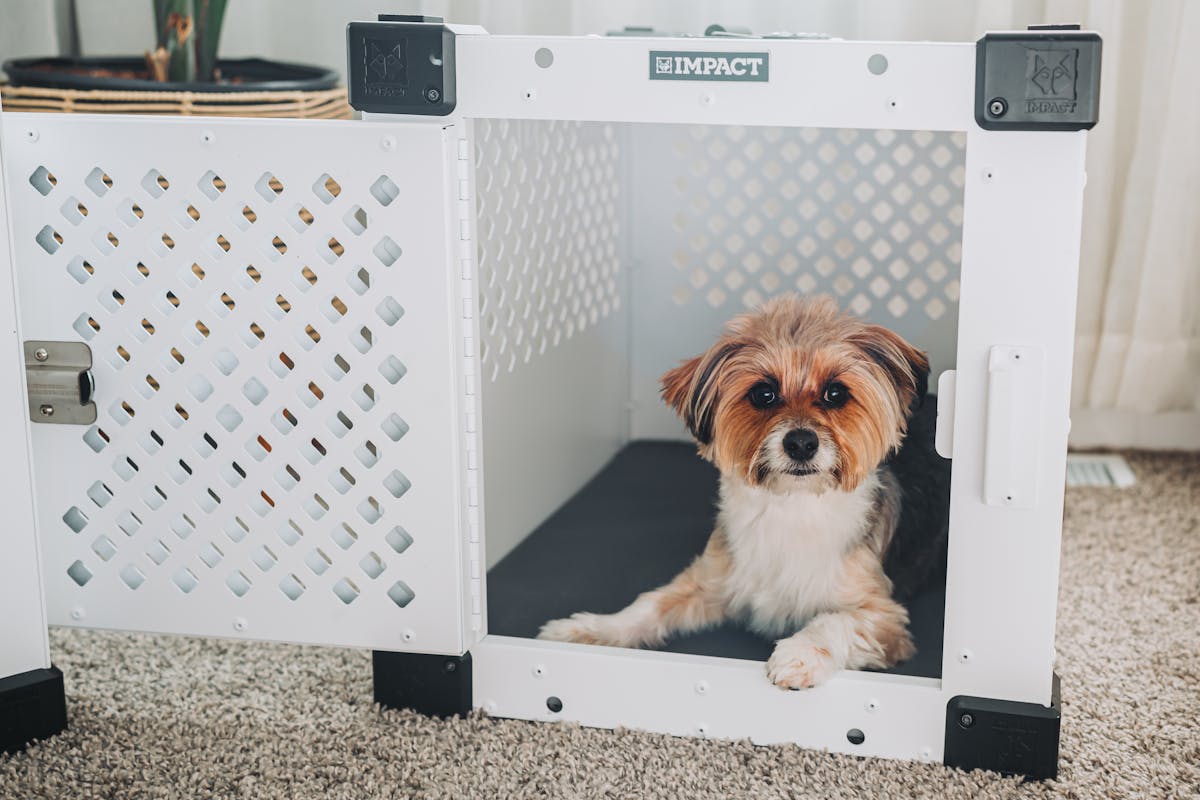
Before beginning training, selecting the right crate is essential. A crate that is too large may encourage your dog to use one corner as a bathroom, while a crate that is too small can make them uncomfortable. The ideal crate allows your dog to stand, turn around, and lie down comfortably without extra unused space.
There are several types of crates available, including wire crates, plastic kennels, and soft-sided crates. Wire crates are popular because they provide ventilation and visibility. Plastic crates are often better for anxious dogs because they feel more enclosed and cozy. Soft-sided crates work best for calm, smaller dogs and travel situations.
To make the crate inviting, add a soft blanket or bed along with a safe chew toy. Avoid overfilling the crate with items because dogs need enough room to move comfortably. The location of the crate also matters. Place it in a quiet but active area of your home so your dog feels included rather than isolated. A living room corner or bedroom is usually a good choice.
The first impression of the crate matters more than many owners realize. If your dog associates the crate with fear, forcing them inside will only make training harder. Instead, allow your dog to explore the crate naturally. Leave the door open and place treats or favorite toys inside so curiosity takes over.
Positive reinforcement is the secret to success. Every time your dog enters the crate willingly, reward them with praise or a small treat. Dogs learn quickly when they associate actions with rewards. Speaking in a calm and cheerful voice can also help your dog feel relaxed during the process.
Timing is another important factor. Start training when your dog is calm rather than overly excited. After exercise or playtime is often ideal because your dog will already be more relaxed and willing to rest. Never use the crate immediately after punishment, as this creates a negative emotional connection. The goal is for your dog to see the crate as a happy and secure environment.
The first day should focus entirely on making the crate feel safe and welcoming. Keep the crate door open and encourage your dog to investigate it at their own pace. Toss treats inside and allow them to step in and out freely. Do not rush the process or force them inside.
Sit near the crate while your dog explores it. Some dogs may walk in immediately, while others may take time. Patience is important because fear can slow progress. Praise your dog warmly each time they interact with the crate positively.
You can also feed small snacks near the entrance to create a pleasant association. By the end of Day 1, your dog should feel curious rather than nervous around the crate. This foundation sets the stage for faster training throughout the week.
Food is a powerful motivator for dogs. On the second day, begin feeding your dog meals inside the crate. Start by placing the food bowl near the entrance, then gradually move it deeper inside as your dog becomes comfortable.
Keep the crate door open during meals at first. The purpose is to help your dog associate the crate with positive experiences. If your dog hesitates, avoid pushing them. Instead, move the bowl slightly closer to the entrance and progress slowly.
After several successful meals, briefly close the crate door while your dog eats. Open it immediately after the meal finishes. This teaches your dog that closed doors are temporary and not something to fear. Many dogs begin relaxing in the crate naturally once food becomes part of the routine.
By Day 3, your dog should willingly enter the crate. Begin practicing short periods with the door closed. Ask your dog to enter the crate using a treat or toy, close the door for a few seconds, then reward calm behavior.
Remain nearby during these short sessions so your dog does not feel abandoned. If your dog whines, wait for a brief moment of silence before opening the door. Opening it while they cry can accidentally teach them that whining gets results.
Gradually increase the duration from a few seconds to several minutes. Keep your tone calm and reassuring. The goal is to help your dog understand that the crate is a temporary resting space rather than something scary or permanent.
On Day 4, start increasing crate time while remaining in the same room. Give your dog a chew toy or treat-filled puzzle to keep them occupied. Mental stimulation helps reduce anxiety and prevents boredom.
At this stage, consistency becomes extremely important. Use the crate during short naps or quiet periods throughout the day. Avoid using it only when you leave the house because your dog may start associating the crate with loneliness.
Once your dog feels comfortable staying in the crate with you nearby, begin leaving the room for short periods. Start with one or two minutes and slowly increase the duration. This step teaches independence and helps reduce separation anxiety.
Do not make dramatic exits or returns. Acting overly emotional can make your dog feel something unusual is happening. Instead, leave casually and return calmly. This keeps the experience normal and stress-free.
You may notice some whining when you first leave the room. Wait quietly nearby and allow your dog a chance to settle. Most dogs calm down within a few minutes once they realize you always return.
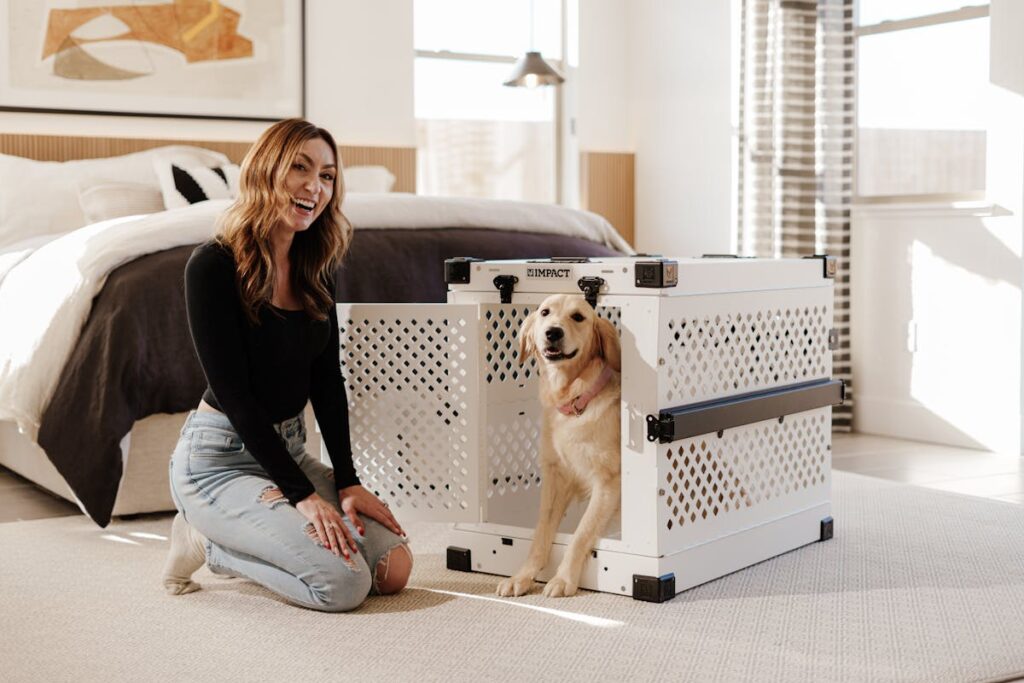
Overnight crate training can feel challenging, but by Day 6 your dog should already have positive feelings toward the crate. Place the crate near your bed so your dog can hear and smell you during the night. This reduces anxiety and helps them settle faster.
Take your dog outside for a bathroom break before bedtime to avoid accidents. Keep nighttime interactions quiet and calm. If your puppy wakes during the night, take them outside briefly and return them directly to the crate afterward.
By the seventh day, your dog should see the crate as a normal part of daily life. Continue using it for naps, bedtime, and short periods during the day. The key to long-term success is consistency.
Avoid leaving your dog in the crate for excessive hours. Even well-trained dogs need exercise, interaction, and mental stimulation. The crate should support your dog’s routine rather than replace attention and activity..
Crate training does not have to be stressful or complicated. With patience, positive reinforcement, and a structured routine, you can successfully crate train a dog fast in just seven days. The crate becomes more than a training tool—it turns into a safe haven where your dog can relax and feel secure.
The most important thing is building trust. Dogs respond best when they feel safe and understood. By following this step-by-step plan, you will create healthy habits that benefit both you and your pet for years to come.
Adult dogs should generally not stay in a crate for more than 4 to 6 hours during the day. Puppies need more frequent breaks.
No, crate training is not cruel when done correctly. It provides dogs with a safe and comfortable space.
Wait for a brief moment of quiet before opening the door. This prevents rewarding whining behavior.
Yes, older dogs can learn crate training with patience and positive reinforcement.
Some dogs feel calmer with a covered crate, while others prefer visibility. Observe your dog’s comfort level.
Absolutely LOVE this store and my new puppy!!! The owner has been exceptionally helpful and caring throughout the entire process and I couldn’t be happier with the recent addition to my family, my precious Chihuahua Eden.
~ Joy Abshaa
Monday-Saturday 11-6
Sunday 12-4
Copyright © 2026 Waggs To Riches Pet Boutique. Developed by Wyne Technologies LLC .