
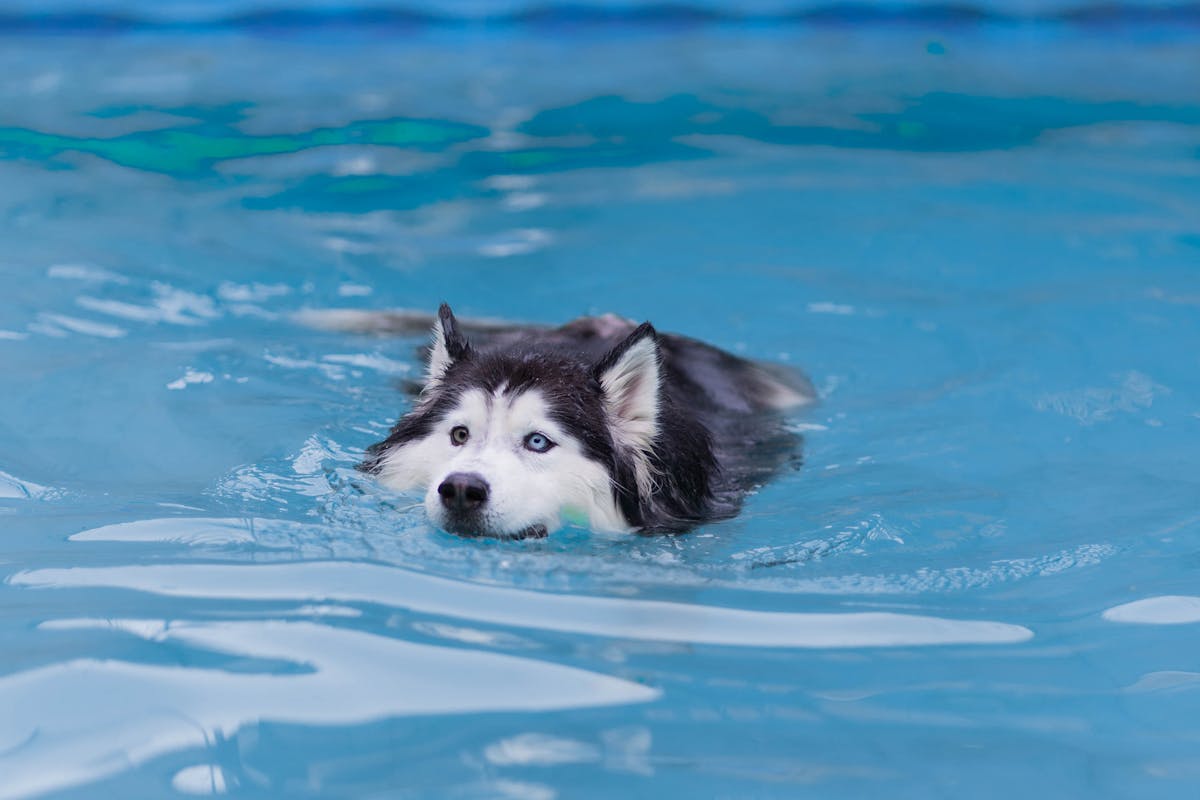
Teaching your dog to swim isn’t just about fun summer days—it’s about safety, confidence, and overall well-being. Many dog owners assume that all dogs instinctively know how to swim, but that’s not always true. Just like humans, dogs can feel nervous or unsure in water, and without proper guidance, their first experience can turn into a stressful one. When you teach dog to swim the right way, you’re not only helping them enjoy water but also preparing them for unexpected situations like falling into a pool or lake.
Swimming is also a fantastic low-impact exercise that works the entire body without putting stress on joints. This makes it especially beneficial for older dogs or those recovering from injuries. Beyond physical health, swimming can also improve your dog’s mental state. A confident dog in water tends to be less anxious and more adaptable in new environments. Think of it like teaching a child to ride a bike—once they learn, it opens up a whole new world of freedom and enjoyment.
Swimming provides a full-body workout that strengthens muscles, improves cardiovascular health, and enhances flexibility. It’s particularly helpful for dogs with arthritis or joint issues because the water supports their weight, reducing strain. Regular swimming sessions can help maintain a healthy weight, especially for breeds prone to obesity. It’s like a natural gym session, but much more enjoyable for your furry friend.
Beyond physical perks, swimming helps stimulate your dog’s mind. Learning a new skill builds confidence and reduces boredom, which can prevent destructive behaviors at home. Dogs that engage in swimming activities often show improved focus and better behavior overall.
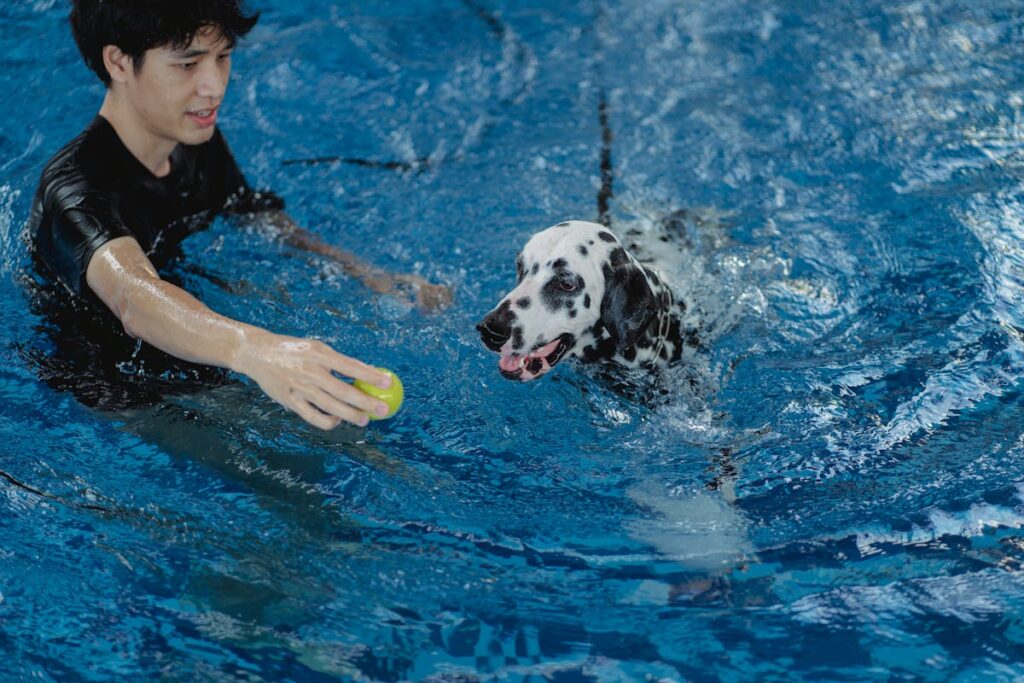
It’s a common myth that all dogs are natural swimmers. While some breeds seem to glide through water effortlessly, others may struggle or even panic. Understanding your dog’s natural tendencies is crucial before you begin.
Certain breeds, like retrievers and spaniels, are known for their love of water. These dogs often have webbed feet and strong builds that make swimming easier. They usually adapt quickly and enjoy the experience from the start.
On the other hand, breeds with short legs, heavy bodies, or flat faces—like bulldogs or pugs—may find swimming challenging. These dogs require extra care, support, and sometimes even flotation devices to stay safe and comfortable in water.
Preparation is everything when it comes to a positive swimming experience. Jumping straight into deep water without planning can lead to fear and resistance.
Before introducing your dog to water, ensure they are healthy and fit for swimming. A quick visit to the vet can confirm whether there are any underlying issues that might make swimming unsafe. Dogs with respiratory or heart conditions may need special consideration.
Start in a calm, shallow area like a quiet beach, a dog-friendly pool, or a shallow lake. Avoid places with strong currents, waves, or heavy activity. A peaceful environment helps your dog stay relaxed and focused.
Investing in the right gear can make a huge difference. A dog life jacket is highly recommended, especially for beginners. It provides buoyancy and gives you something to hold onto if needed. Also, consider using a leash for better control during initial sessions.
Teaching your dog to swim should be a gradual and enjoyable process. Patience and encouragement are key.
Start by letting your dog explore shallow water at their own pace. Allow them to sniff, step in, and get comfortable without any pressure. You can even walk alongside them to make the experience feel safe and familiar.
Reward your dog with treats, praise, or toys whenever they show interest in the water. Positive reinforcement builds a strong association between water and good experiences. Think of it as cheering them on every small victory.
As your dog ventures deeper, gently support their body, especially under the belly. This helps them stay balanced and prevents panic. Your presence acts as a safety net, boosting their confidence.
Once your dog feels supported, they’ll naturally start paddling with their legs. Keep sessions short and avoid overwhelming them. Gradually reduce your support as they become more comfortable.
Consistency is more important than duration. Short, frequent sessions help your dog build confidence without getting tired or stressed. Over time, you’ll notice improvement in their skills and comfort level.
Even with good intentions, some mistakes can hinder your dog’s progress.
Never throw or push your dog into water. This can create fear and damage their trust in you. A negative first experience can be difficult to undo.
Pay attention to your dog’s body language. Signs like trembling, whining, or trying to escape indicate discomfort. If you notice these, take a step back and slow down the process.
Safety should always be your top priority when teaching your dog to swim.
Swimming can be tiring, especially for beginners. Watch for signs like heavy panting, slow movements, or difficulty staying afloat. Always give your dog breaks and never push them beyond their limits.
Always supervise your dog around water, even if they are experienced swimmers. Avoid areas with strong currents or hidden hazards. Rinse your dog after swimming, especially in saltwater or chlorinated pools, to prevent skin irritation.
Making swimming fun is the best way to keep your dog engaged and excited.
Introduce simple games like fetching floating toys or following you in the water. These activities turn swimming into a playful experience rather than a training session. Over time, your dog will associate water with joy and adventure.
Teaching your dog to swim safely is a rewarding journey that strengthens your bond and enhances your dog’s quality of life. With patience, preparation, and the right approach, you can turn water into a source of fun and confidence for your furry companion. Remember, every dog learns at their own pace, so stay supportive and celebrate small progress along the way.
I had the best experience purchasing my puppy this weekend at Waggs! Shop here!!
~ Brittany Jacobson
Monday-Saturday 11-6
Sunday 12-4
Copyright © 2026 Waggs To Riches Pet Boutique. Developed by Wyne Technologies LLC .