
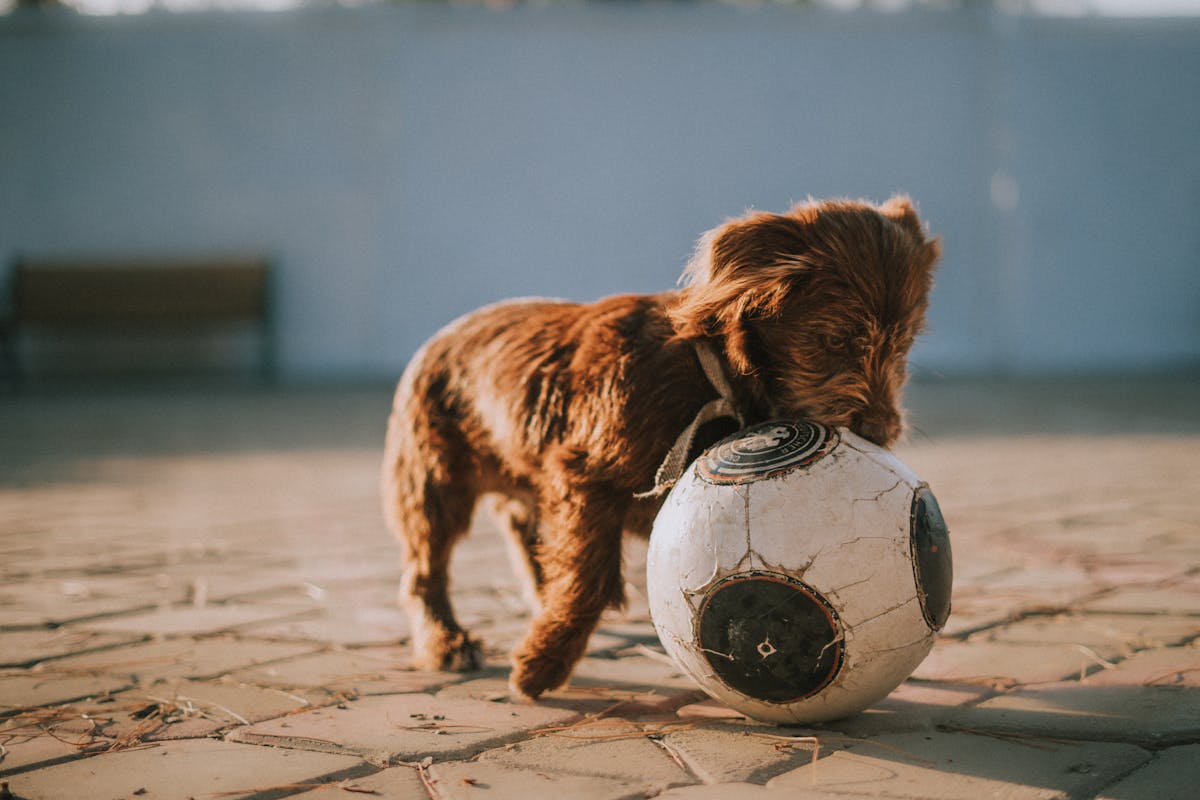
Puppies are bundles of energy, curiosity, and excitement. Anyone who has brought a new puppy home quickly realizes that physical exercise alone is not enough. Puppies also need mental stimulation to stay happy and well-behaved. When a puppy’s mind is active, they are less likely to develop destructive habits like chewing furniture, barking excessively, or digging around the house.
This is where indoor games for puppies become incredibly valuable. Indoor activities provide a fun way to challenge your puppy’s brain while strengthening the bond between you and your furry companion. Not every day is perfect for outdoor adventures. Rainy weather, cold temperatures, or busy schedules often keep both you and your puppy indoors.
Many puppy owners focus heavily on physical exercise, but mental activity is just as important. A puppy’s brain develops rapidly during the early months of life. Just like children, puppies learn through exploration, play, and problem-solving experiences.
Mental stimulation helps puppies build stronger neural connections in the brain. This means they learn commands faster, adapt to new environments more easily, and develop better social skills. Puppies that regularly engage in stimulating activities are also less likely to suffer from anxiety or boredom.
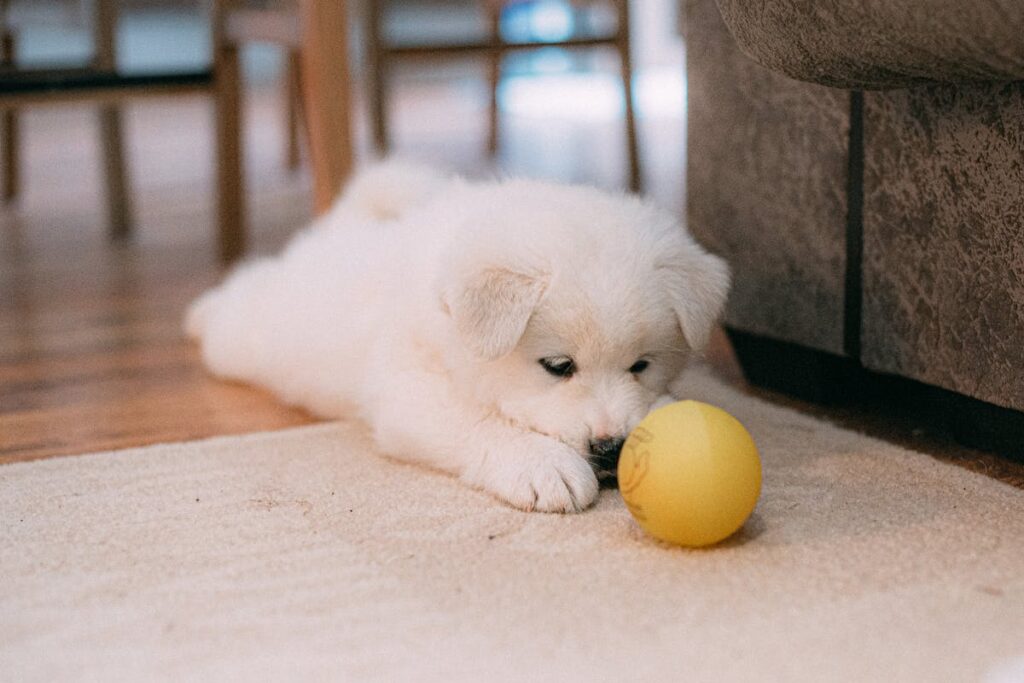
Hide and seek is one of the simplest and most effective indoor games for puppies. This game taps into your puppy’s natural instincts to track scents and search for their favorite human.
Start by asking your puppy to sit or stay in one room. If your puppy does not know these commands yet, you can ask a family member to gently hold them while you hide. Then move to another room or behind furniture and call your puppy’s name.
Your puppy will begin searching the house using both scent and sound to locate you. When they finally find you, reward them with praise, petting, or a small treat.
This game improves several important skills:
Hide and seek also builds excitement and strengthens the bond between you and your puppy. The more enthusiastic your praise is when they find you, the more they will love playing this game.
Puzzle games are excellent for stimulating a puppy’s brain. These toys encourage puppies to think carefully in order to access hidden treats.
You can place small treats inside compartments that require sliding, lifting, or spinning parts to open. Your puppy must figure out how to manipulate the toy to get the reward.
Puzzle games improve patience and concentration. At first, your puppy may struggle to understand how the toy works. That is completely normal. With practice, they will learn the mechanics and become better problem solvers.
This type of mental challenge can keep a puppy busy for a long time. Some puppies spend 20 to 30 minutes carefully exploring puzzle toys. This makes them ideal for days when you need to keep your puppy entertained indoors.
The cup game is a classic brain exercise that works perfectly for puppies. It is simple to set up and requires only three cups and a few treats.
Place three cups upside down on the floor and hide a treat under one of them while your puppy watches. Shuffle the cups slowly and encourage your puppy to identify which cup contains the treat.
At first, you may want to move the cups slowly so your puppy can follow the motion. As your puppy improves, you can increase the challenge by moving faster or adding more cups.
This activity strengthens your puppy’s memory and observation skills. It also helps develop patience and focus. Puppies love the excitement of discovering the hidden reward.
Tug of war is often misunderstood. When played correctly, it can be a safe and stimulating game for puppies. It allows them to use their natural instincts while learning important boundaries.
Use a soft rope toy or tug toy designed specifically for dogs. Hold one end while your puppy grabs the other. Gently pull back and allow your puppy to tug with enthusiasm.
The key to making this game beneficial is to include training commands. Occasionally ask your puppy to release the toy using a command like “drop it.” Once they release, reward them and restart the game.
Tug of war provides both physical and mental stimulation. Puppies must coordinate their movements while responding to your commands. This combination helps improve focus and impulse control.
Dogs have an incredible sense of smell, and this game allows puppies to use that natural ability.
Start by placing a few treats around a room while your puppy watches. Then give the command to search. Your puppy will begin sniffing around until they locate each treat.
Once your puppy understands the game, increase the challenge by hiding treats in more difficult places. For example, you can hide them under cushions, behind furniture, or inside safe containers.
This game encourages scent tracking and exploration. It also keeps your puppy mentally engaged as they search for hidden rewards.
Creating a small indoor obstacle course can be both fun and educational for your puppy. You can use everyday household items to design the course.
For example:
Guide your puppy through the course using treats and encouragement. Each obstacle becomes a small challenge that builds confidence and coordination.
Obstacle courses provide a mixture of physical activity and mental engagement. Puppies must focus on your directions while navigating each part of the course.
This type of activity is especially helpful for energetic breeds that need both movement and problem-solving tasks.
Teaching your puppy to respond to their name can be turned into a fun indoor game. Sit in a room with your puppy and say their name in an excited tone.
When your puppy looks at you or approaches, reward them immediately. After a few repetitions, move to another part of the room and call their name again.
You can also involve family members. Each person calls the puppy from different spots in the house. The puppy learns to recognize voices and respond quickly.
This game strengthens recall skills while keeping the puppy mentally alert. It also builds positive associations with their name.
To get the most out of these activities, consistency and patience are important. Puppies are still learning how to focus and follow instructions.
Keep play sessions short but engaging. Around 15 to 20 minutes is usually enough to stimulate your puppy without overwhelming them.
Rotate different games throughout the week. Variety keeps the experience exciting and prevents boredom. If a puppy plays the same game repeatedly, they may lose interest.
Positive reinforcement is also essential. Always reward your puppy with praise, affection, or treats when they complete a task successfully.
Most importantly, remember that playtime should be fun. Your enthusiasm and energy will make a huge difference in how much your puppy enjoys each activity.
Keeping a puppy mentally stimulated is just as important as providing physical exercise. Without mental engagement, puppies can become bored, restless, and destructive. Fortunately, there are many simple and enjoyable indoor games for puppies that provide the stimulation they need.
Games like hide and seek, treat searches, puzzle challenges, and obstacle courses transform ordinary indoor time into exciting learning experiences. These activities encourage puppies to think, explore, and develop important cognitive skills.
Puppies benefit from daily mental stimulation. Around 15 to 30 minutes of indoor games each day can help keep their minds active and prevent boredom.
Indoor games are helpful, but they should complement outdoor exercise rather than replace it. Puppies still need walks and outdoor exploration for full physical development.
Simple scent games like finding hidden treats are ideal for young puppies because they rely on natural instincts and require minimal training.
Yes. Puzzle games improve problem-solving abilities, patience, and concentration. They are excellent tools for mental enrichment.
Yes. Many destructive behaviors occur when puppies feel bored or understimulated. Mental games provide healthy outlets for their energy and curiosity.
Monday-Saturday 11-6
Sunday 12-4
Copyright © 2026 Waggs To Riches Pet Boutique. Developed by Wyne Technologies LLC .