
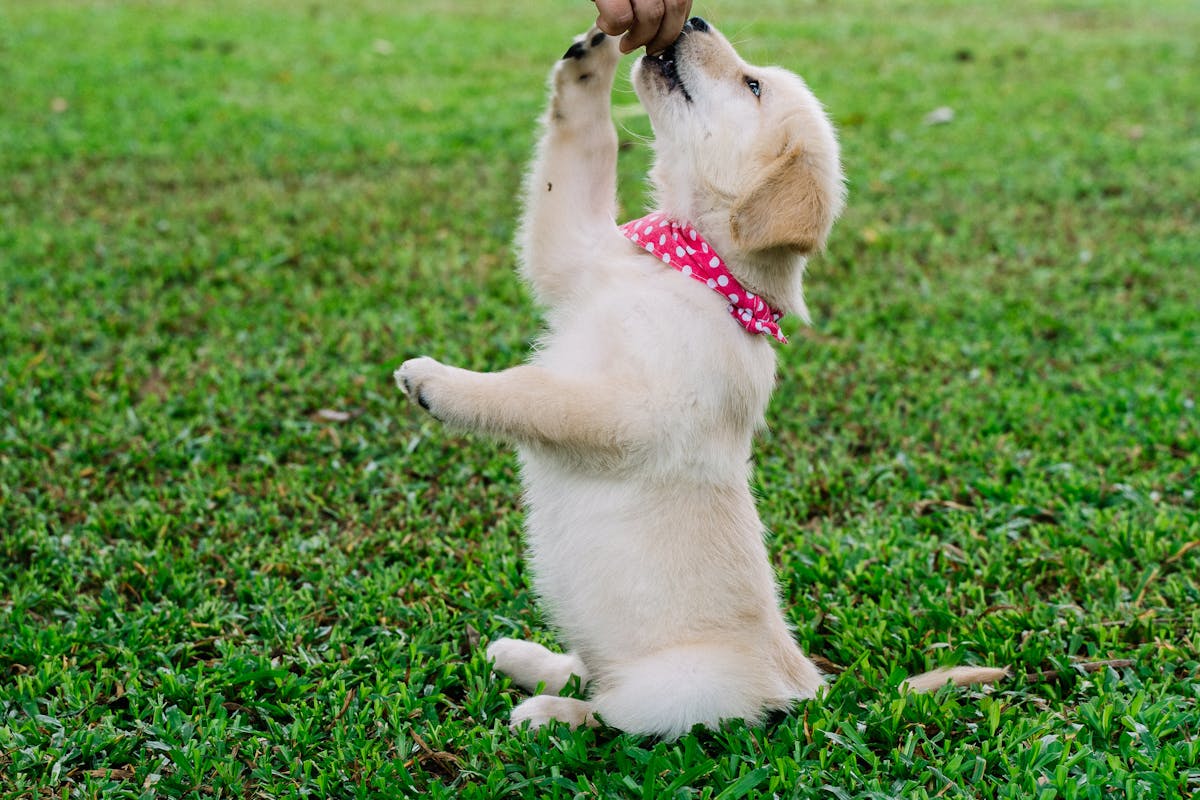
Puppy obedience training is the foundation of a happy and well-behaved dog. Think of it like teaching a child their first words—simple, powerful, and life-changing. Commands like sit, stay, and come are not just tricks; they are tools that keep your puppy safe, improve communication, and strengthen your bond.
Training gives your puppy structure and confidence. It prevents bad habits from forming and replaces chaos with calm. A trained puppy is easier to manage, safer around people, and happier because they understand what’s expected of them.
You can begin puppy obedience training as early as 8 weeks old. At this stage, puppies are curious and eager to learn. Their minds are like sponges, soaking up information quickly.
Puppies learn through association. If sitting brings treats and praise, they’ll sit more often. Training is basically a language exchange—you say a word, they perform an action, and they get a reward.
Puppies have short attention spans, similar to toddlers. Expect bursts of focus followed by sudden zoomies. That’s normal. Keep sessions short and upbeat.
Choose a quiet space without distractions. No TV, no loud noises, and no toys lying around. A calm environment helps your puppy focus better.
Soft, small treats work best. They should be tasty and easy to chew so your puppy doesn’t lose interest.
A lightweight leash and comfortable collar are essential for teaching control and recall safely.
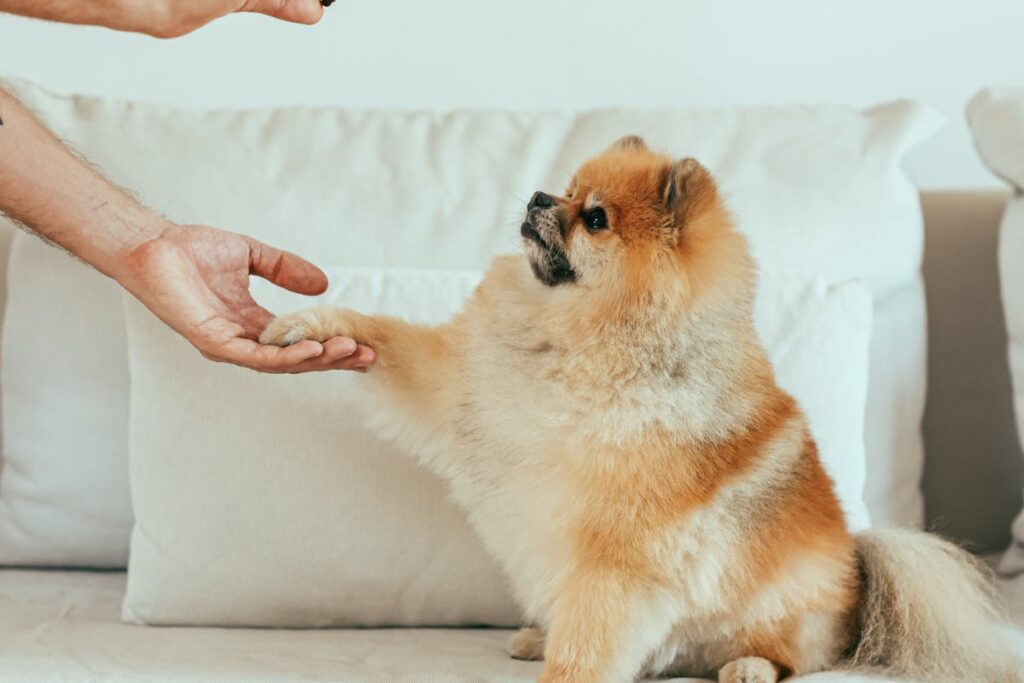
Always use the same word for each command. If you say “sit” today and “sit down” tomorrow, your puppy will get confused.
Reward good behavior with treats, praise, and affection. This encourages your puppy to repeat the action.
Five to ten minutes per session is perfect. End on a positive note so your puppy looks forward to the next lesson.
Practice before meals and during playtime. Use sit before feeding or opening doors to reinforce discipline.
Step-by-step stay training
Start with one second and one step. Slowly build up. This teaches patience and self-control.
If your puppy moves, calmly reset and try again. Never scold—just repeat with shorter time limits.
Step-by-step recall training
The “come” command can save your puppy’s life. It prevents running into traffic or dangerous areas.
Play hide-and-seek or call your puppy from another room for fun practice.
Train 2–3 times daily for 5–10 minutes each. Mix commands so learning feels like a game.
Training should feel like playtime with rules. Keep energy high and pressure low.
Train indoors first, then gradually move outside where distractions exist.
Redirect biting to toys and ignore jumping until your puppy calms down.
Never force your puppy. Gentle encouragement builds confidence.
Expose your puppy to new environments while practicing commands.
Keep treats handy and use short sessions when outside.
Use a cheerful tone for praise and a calm voice for commands.
Dogs read body language faster than words. Pair commands with simple gestures.
Rewards motivate learning. Punishment causes fear and confusion.
Harsh discipline can damage trust and slow progress.
Training is teamwork. Your puppy learns you are a guide, not a boss.
Laugh, praise, and celebrate small wins. Training should be fun for both of you.
Once basics are mastered, teach heel, down, and leave it.
Practice regularly to keep skills sharp.
Puppy obedience training is not about control—it’s about connection. Teaching your puppy to sit, stay, and come builds safety, discipline, and trust. With patience, consistency, and positive reinforcement, training becomes a joyful routine instead of a chore. Remember, every puppy learns at their own pace. Celebrate progress, stay calm through setbacks, and enjoy the journey. A well-trained puppy grows into a confident, well-mannered dog and a loyal lifelong companion.
1. How long does puppy obedience training take?
Basic commands usually take 2–4 weeks with daily practice.
2. Can older puppies still learn sit, stay, and come?
Yes, dogs of any age can learn with patience and consistency.
3. How many times a day should I train my puppy?
Two to three short sessions per day are ideal.
4. What if my puppy ignores commands?
Reduce distractions, use better rewards, and practice in calm environments.
5. Is professional training necessary?
Not always, but trainers help if problems persist or behavior is difficult.
The puppies are nicely kept in cute little crates and the staff was attentive.
~ Richard Haviland
Monday-Saturday 11-6
Sunday 12-4
Copyright © 2026 Waggs To Riches Pet Boutique. Developed by Wyne Technologies LLC .