
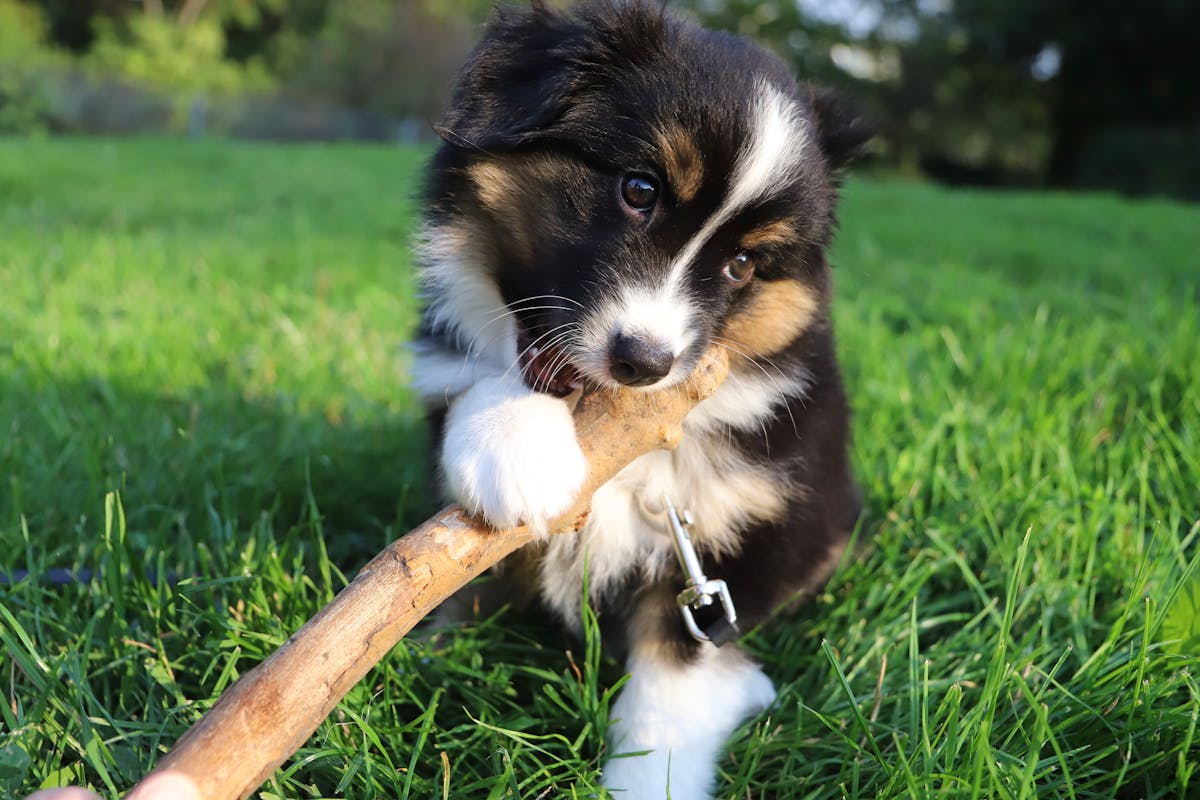
Teething can be a challenging phase for both puppies and their owners. Your tiny furball suddenly has this irresistible urge to chew everything in sight—from your favorite shoes to furniture legs. But don’t worry; this is completely normal. Puppies are like little engines exploring the world with their mouths, and understanding their teething stage is the first step to making this process easier for everyone.
Puppy teething is the process where your pup’s baby teeth fall out and permanent teeth start coming in. This typically causes discomfort and an instinctive need to chew.
Chewing is one of the most natural behaviors in puppies, and it serves multiple important purposes. First and foremost, chewing helps relieve the pressure and discomfort on sore gums caused by emerging teeth. When baby teeth fall out and adult teeth push through, the gums can feel swollen, tender, and sometimes even a little itchy.
Chewing also helps them learn bite inhibition—the ability to control the strength of their bite which is a key part of social development when interacting with humans and other dogs.
Learn More about Understanding Common Dental Problems in Dogs
Breed size, genetics, and diet can influence when your puppy starts teething. Small breeds tend to get teeth sooner than larger breeds.
Your puppy may gnaw on everything, including furniture, shoes, and toys that aren’t suitable for chewing.
Sore gums can make your puppy cranky and restless.
Excessive drooling or red, inflamed gums are common during teething.
Chewing hard items may cause mild digestive upset or reluctance to eat.
Freezing a wet washcloth or puppy-safe chew helps soothe gum pain.
Your vet may recommend puppy-safe pain gels or mild chewable medications.
Chamomile tea soaks on a clean cloth or frozen carrot sticks can be comforting.
Reward your puppy for chewing toys instead of furniture or shoes.
Use deterrent sprays and redirect them to approved chew toys consistently.
Softening kibble with warm water can make chewing easier.
Multiple small meals help prevent discomfort during eating.
Limited ingredient chews or hypoallergenic toys reduce the risk of digestive upset.
Keep an eye on stools and adjust diet or toys as needed.
Swelling, pus, or misaligned teeth require prompt vet attention.
Your puppy will lose all 28 baby teeth as adult teeth emerge.
Keep feeding, play, and nap times predictable to reduce stress.
Tired puppies chew less destructively.
A calm home reduces anxiety and makes teething easier.
Chewing is instinctive. Punishment can cause fear or anxiety.
Avoid sticks, hard bones, and household objects.
Always provide relief to prevent chronic stress or oral problems.
Puppy teething is a natural and important stage in your dog’s development. With safe chew toys, soothing remedies, positive reinforcement, and patience, you can navigate this phase smoothly. Understanding what to expect and providing simple solutions will keep your puppy comfortable and protect your home from accidental chewing disasters.
Monday-Saturday 11-6
Sunday 12-4
Copyright © 2026 Waggs To Riches Pet Boutique. Developed by Wyne Technologies LLC .