
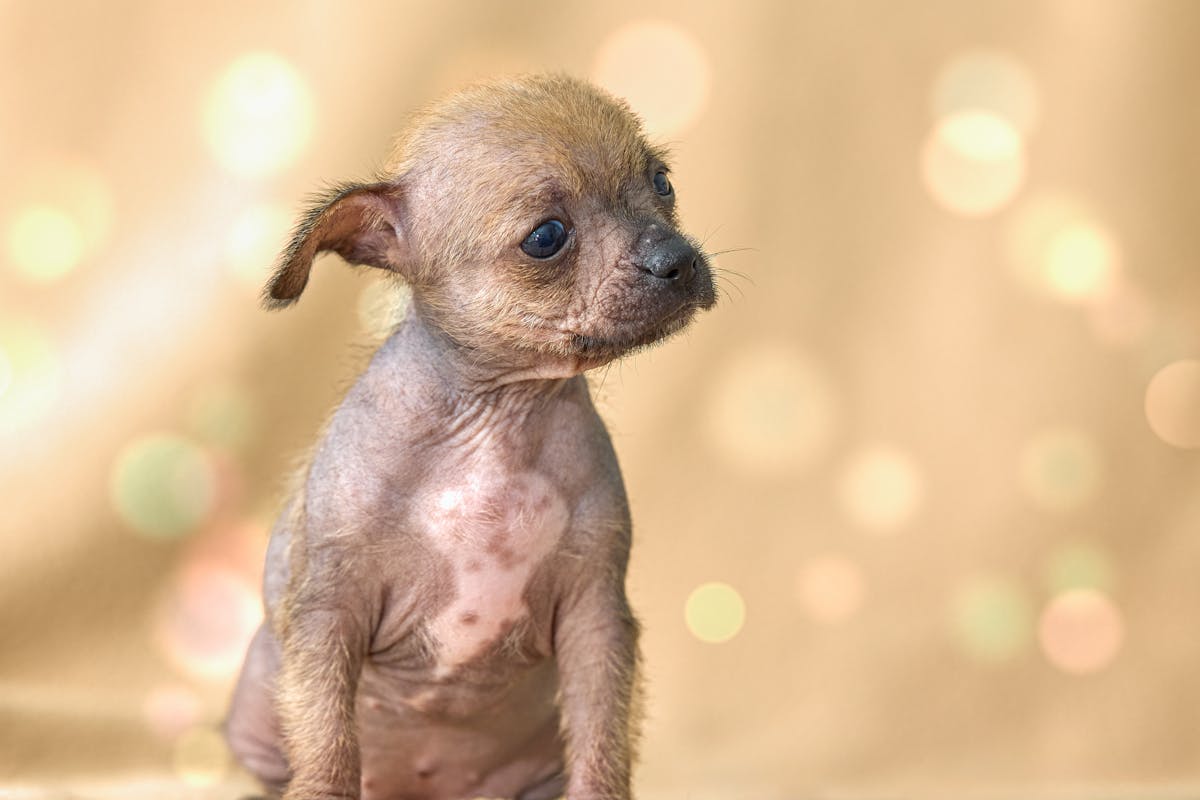
Finding bald spots on your dog’s coat can be alarming. One day your pet has a healthy, shiny coat, and the next you notice areas where the fur appears thin or completely missing. These dog hair loss patches can occur for many different reasons, ranging from mild skin irritation to underlying health conditions that require veterinary attention. Understanding the cause is the first step toward helping your dog recover and regain a healthy coat.
Hair loss in dogs, also known as alopecia, is not a disease itself. Instead, it is usually a symptom of another problem affecting the skin, immune system, or overall health. Some dogs may only develop a small bald spot, while others experience widespread hair loss across different parts of the body. Paying close attention to accompanying symptoms such as itching, redness, or skin changes can help determine what is causing the issue and how it should be treated.
Dog hair loss patches refer to areas where fur becomes noticeably thinner or disappears entirely. These patches can develop anywhere on the body, including the ears, back, legs, tail, and stomach. In some cases, the skin beneath the hair loss appears normal. In others, it may become red, flaky, inflamed, or irritated.
Hair loss can appear suddenly or develop gradually over time. Some dogs constantly scratch, chew, or lick affected areas, while others show no obvious discomfort. The appearance and location of the hair loss often provide important clues about the underlying cause. For example, hair loss around the tail base may suggest flea allergies, while symmetrical hair loss on both sides of the body can indicate hormonal problems.
Hair loss rarely occurs alone. Most dogs display additional symptoms that can help identify the root cause. Excessive scratching is one of the most common signs and often points to allergies, parasites, or skin irritation. Dogs may also lick or chew affected areas, creating further damage to the skin.
Other symptoms may include redness, inflammation, dandruff-like flakes, scabs, or unpleasant odors. Some dogs develop thickened or darkened skin around bald patches. In cases involving infections, small bumps or pus-filled lesions may also appear.
Behavioral changes can sometimes accompany skin problems. A dog experiencing persistent itching or discomfort may become restless, irritable, or less active than usual. Monitoring these symptoms provides valuable information for both pet owners and veterinarians when determining the most effective treatment plan.
Allergies are one of the leading causes of dog hair loss patches. Dogs can react to environmental allergens such as pollen, dust mites, mold, and grass. Food allergies may also trigger skin irritation and hair loss. When a dog experiences an allergic reaction, the resulting itchiness often leads to excessive scratching and chewing that damages the coat.
The affected areas commonly include the paws, ears, belly, and face. Over time, repeated scratching can create noticeable bald patches and secondary skin infections. Identifying and managing the specific allergen is often necessary to achieve long-term improvement.
External parasites are another frequent cause of hair loss. Fleas, mites, and ticks can irritate the skin and trigger intense itching. Even a small number of fleas can cause severe reactions in dogs that suffer from flea allergy dermatitis.
Mange, which results from microscopic mites, is particularly known for causing patchy hair loss. Depending on the type of mite involved, hair loss may occur around the eyes, face, legs, or throughout the body. Prompt treatment is essential because some forms of mange can spread rapidly and worsen without intervention.
Bacterial and fungal infections often contribute to hair loss. Ringworm, despite its name, is a fungal infection that frequently causes circular bald patches. Bacterial infections can develop when damaged skin becomes vulnerable to invading microorganisms.
These infections often cause redness, itching, and skin irritation. In many cases, treating the infection allows the fur to grow back naturally once the skin heals. Veterinary diagnosis is important because different infections require specific medications.
Certain hormonal disorders can lead to significant coat changes. Conditions such as hypothyroidism and Cushing’s disease commonly affect hair growth cycles. Unlike allergy-related hair loss, hormonal hair loss often occurs without intense itching.
Dogs with hormonal imbalances may develop symmetrical bald patches on both sides of the body. Additional signs can include weight changes, lethargy, increased thirst, or changes in appetite. Treating the underlying hormonal condition is usually necessary before hair regrowth can occur.
While any dog can develop hair loss, some breeds appear more susceptible to coat-related problems. Breeds such as Bulldogs, Boxers, Dachshunds, Chihuahuas, and Doberman Pinschers may experience genetic conditions that affect hair growth. Dogs with skin folds can also face an increased risk of irritation and infection.
Long-haired breeds are not immune either. Their dense coats can sometimes hide early signs of skin disease, allowing conditions to progress before owners notice a problem. Regular grooming and skin inspections help identify potential issues before they become severe.
Breed predisposition does not guarantee a dog will develop alopecia, but awareness allows owners to monitor skin health more carefully and seek prompt treatment when needed.
Accurate diagnosis is crucial because many conditions can produce similar symptoms. Veterinarians typically begin with a physical examination and review the dog’s medical history. Information about diet, environment, grooming products, and recent changes in routine can provide useful clues.
Additional diagnostic tests may include skin scrapings, fungal cultures, allergy testing, blood work, or hormone evaluations. These tests help rule out various conditions and identify the true cause of the hair loss.
The most effective treatment depends entirely on the underlying cause. Parasite-related hair loss typically requires flea control products or medications that eliminate mites. Bacterial infections often respond to antibiotics, while fungal infections may require antifungal treatments.
Dogs with allergies may benefit from prescription medications, allergy management plans, or specialized diets. Hormonal disorders usually require long-term medical treatment to restore balance and support healthy coat growth.
Nutrition plays a major role in skin and coat health. Dogs lacking essential nutrients may develop poor coat quality and increased shedding. High-quality diets rich in protein, omega-3 fatty acids, vitamins, and minerals help support healthy skin function.
Some dogs benefit from veterinarian-approved supplements designed to improve coat condition. If food allergies contribute to hair loss, switching to a carefully selected elimination diet may help identify triggering ingredients.
Proper home care can support recovery and prevent further irritation. Regular grooming removes loose fur, distributes natural oils, and allows owners to monitor skin health. Using veterinarian-recommended shampoos can help soothe irritated skin and reduce inflammation.
Keeping your dog’s environment clean also minimizes exposure to allergens and parasites. Washing bedding regularly and maintaining flea prevention programs contribute to healthier skin and coat conditions.
Preventing dog hair loss patches starts with routine care. Consistent flea and parasite prevention reduces the risk of infestations that damage the skin. Feeding a balanced diet supports healthy hair growth and strengthens the skin’s protective barrier.
Regular grooming sessions allow early detection of unusual changes. Veterinary wellness exams are equally important because they can identify health issues before symptoms become severe. Maintaining a healthy weight and minimizing stress may also help support overall skin health.
Prevention is often easier and less expensive than treating advanced skin conditions. A proactive approach gives dogs the best chance of maintaining a healthy, full coat throughout their lives.
Not every small bald spot requires emergency care, but some situations deserve prompt veterinary attention. Rapidly expanding hair loss, open sores, severe itching, bleeding, or signs of infection should never be ignored. Dogs experiencing additional symptoms such as weight loss, lethargy, or behavioral changes also need professional evaluation.
Early intervention often prevents complications and shortens recovery time. Waiting too long can allow underlying conditions to worsen, making treatment more difficult and costly. If you are unsure whether the hair loss is serious, consulting your veterinarian is always the safest option.
Dog hair loss patches can result from allergies, parasites, infections, hormonal disorders, poor nutrition, or other health concerns. While some cases are relatively minor, others may indicate an underlying condition that requires medical attention. Understanding the potential causes helps pet owners recognize symptoms early and seek appropriate treatment.
Yes, in many cases hair grows back once the underlying cause is properly treated.
No. Hair loss can result from parasites, infections, hormonal disorders, nutritional deficiencies, and other medical conditions.
Yes, chronic stress may contribute to excessive shedding and hair thinning in some dogs.
No. Human products can irritate a dog’s skin and should be avoided unless specifically recommended by a veterinarian.
You should seek veterinary advice if hair loss spreads quickly, causes severe itching, or occurs alongside other health symptoms.
We had a wonderful experience at Waggs to Riches. The owner, Kim, and her team were extremely thorough, polite and helpful and we are so happy with our new addition to our family….a Maltipoo called Logan! The purchase process was very professional and Kim ensures everything is done to the highest standard. All her puppies are happy and healthy and are cared for so well. Thanks Kim!
~ Peter Rice
Monday-Saturday 11-6
Sunday 12-4
Copyright © 2026 Waggs To Riches Pet Boutique. Developed by Wyne Technologies LLC .