
You’re sitting on the couch, everything feels normal, and suddenly your dog growls or snaps—and just like that, your calm companion feels like a stranger. It’s unsettling, right? But here’s the reality: dog aggression causes are rarely random. What looks “sudden” to you is often a build-up of stress, discomfort, or confusion that your dog has been silently carrying for a while. Dogs don’t wake up one day and decide to be aggressive. Instead, their behavior shifts gradually until it reaches a tipping point where they feel they have no other way to communicate.
Think of it like a pressure cooker. Small stressors—maybe a change in routine, a new person in the house, or even a loud environment—start adding pressure over time. Your dog might have been giving subtle signals like avoiding eye contact, stiff posture, or low growling, but those signs are easy to miss if you don’t know what to look for. When those signals go unnoticed, the dog escalates its communication, which often shows up as aggression.
The word “sudden” can be misleading. In most cases, aggression has been brewing under the surface long before it becomes visible. Dogs are incredibly good at masking discomfort, especially if they’ve learned that subtle signals don’t get a response. Over time, they skip those softer signals and jump straight to more intense reactions like snapping or biting.
Imagine trying to whisper in a noisy room where no one listens. Eventually, you’d raise your voice. That’s exactly what your dog is doing—just in its own language. The aggression you see is the equivalent of shouting after being ignored for too long.
This is why it’s so important to look back and reflect. Has anything changed recently? Maybe feeding times shifted, or your dog is getting less exercise. Even small lifestyle changes can disrupt your dog’s sense of security. Once you identify these patterns, the behavior starts to make more sense, and solving it becomes much easier.
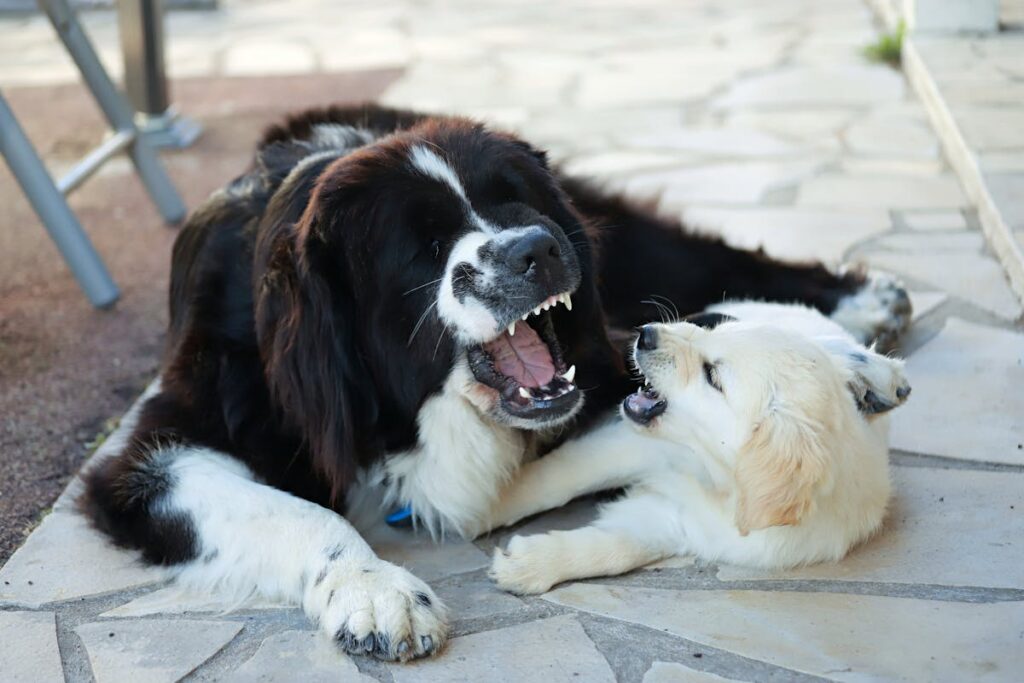
Fear is one of the most powerful triggers behind aggressive behavior. When a dog feels threatened, its brain switches into survival mode. At that point, it’s not thinking about being obedient or calm—it’s thinking about staying safe. And sometimes, the best defense feels like a strong offense.
Fear-based aggression often appears when dogs are exposed to unfamiliar situations, loud noises, or strangers. A dog that hasn’t been properly socialized might see everyday experiences as dangerous. Even something as simple as a new visitor entering your home can trigger a defensive reaction.
What makes fear tricky is that it’s not always obvious. A wagging tail doesn’t always mean happiness—it can also signal nervous energy. The key is to observe the entire body language, not just one signal. Helping a fearful dog involves patience, gradual exposure, and positive reinforcement. You’re not forcing them to “be brave”—you’re teaching them that the world isn’t as scary as it seems.
Sometimes the issue isn’t behavioral at all—it’s physical. Dogs in pain often become irritable or defensive because they’re trying to protect themselves. Imagine having a sore back and someone suddenly touching it—you’d react instantly, right? Dogs do the same thing.
Conditions like joint pain, dental issues, or internal discomfort can cause sudden aggression. What makes this challenging is that dogs can’t tell you what hurts. Instead, they show it through changes in behavior. A friendly dog that suddenly snaps when touched might be dealing with hidden pain.
This is why a vet check should always be one of your first steps when aggression appears. Treating the underlying medical issue often reduces or completely removes the aggressive behavior. It’s not about training in this case—it’s about healing.
Does your dog growl when you approach its food bowl or favorite toy? That’s resource guarding, and it’s one of the most common dog aggression causes. From your dog’s perspective, it’s protecting something valuable. In the wild, guarding resources is essential for survival, so this behavior is deeply instinctive.
The problem arises when that instinct becomes too intense. Instead of feeling secure, the dog feels the need to constantly defend its belongings. This can lead to aggressive reactions even when there’s no real threat.
Fixing resource guarding requires building trust. You want your dog to associate your presence with positive outcomes, not loss. Gradual training techniques, like trading items for rewards, can help reduce this behavior over time.
Dogs are naturally protective creatures. They see their home, yard, and even their owners as part of their territory. When someone enters that space, the dog may feel the need to defend it.
Territorial aggression often shows up as barking, lunging, or growling at strangers. While a certain level of protectiveness is normal, it becomes a problem when it escalates into uncontrolled aggression.
Training your dog to remain calm in these situations is essential. This involves setting boundaries and reinforcing calm behavior, so your dog learns that not every visitor is a threat.
Dogs thrive on consistency. Even small changes—like rearranging furniture or altering your schedule—can create stress. This stress doesn’t always show immediately, but over time, it can lead to behavioral changes, including aggression.
A bored dog is a frustrated dog. Without enough mental and physical activity, dogs can develop pent-up energy that turns into destructive or aggressive behavior. Keeping your dog engaged is just as important as feeding it.
Hormones can significantly impact behavior, especially in unneutered dogs. Increased testosterone levels can lead to dominance and aggression.
While genetics play a role, environment and training have a much bigger influence. A well-trained dog from any breed can be calm and friendly.
Before a dog becomes aggressive, it usually gives warning signs like stiff posture, pinned ears, or a fixed stare. Learning these signs can help you intervene early.
Aggression builds in stages. Recognizing these stages can prevent serious incidents.
Positive reinforcement works best. Reward calm behavior and avoid punishment, which can increase fear.
A confident dog is less likely to be aggressive. Building trust through consistent interaction helps reduce anxiety.
If aggression becomes severe, a professional trainer or behaviorist can provide guidance.
Dogs feel secure when they know what to expect. A stable routine reduces stress.
Exposing your dog to different experiences helps it become more adaptable and less fearful.
Understanding dog aggression causes is the first step toward solving the problem. Aggression is not random—it’s communication. When you learn to listen, respond, and guide your dog with patience, you create a safer and happier environment for both of you.
Fear and anxiety are the most common triggers.
It can be managed and significantly reduced with proper training.
No, it can also be caused by medical problems.
It depends on the cause and consistency of training.
No, but you should approach carefully and address the root cause.
We had a wonderful experience at Waggs to Riches. The owner, Kim, and her team were extremely thorough, polite and helpful and we are so happy with our new addition to our family….a Maltipoo called Logan! The purchase process was very professional and Kim ensures everything is done to the highest standard. All her puppies are happy and healthy and are cared for so well. Thanks Kim!
~ Peter Rice
Monday-Saturday 11-6
Sunday 12-4
Copyright © 2026 Waggs To Riches Pet Boutique. Developed by Wyne Technologies LLC .