
Bringing home a new puppy is exciting, but it can quickly turn stressful when they refuse to eat. Before you panic, it’s important to understand that puppies don’t always have a perfectly consistent appetite. Just like humans, their hunger can vary from day to day depending on activity levels, mood, and even minor environmental changes. A playful, energetic puppy may suddenly seem uninterested in food simply because they are distracted or adjusting to something new.
The real concern begins when your puppy refuses food for more than 24 hours or shows other unusual behaviors. Puppies have smaller energy reserves than adult dogs, which means they can become weak more quickly if they don’t eat. If your puppy is consistently turning away from meals, losing weight, or acting lethargic, it’s time to take the situation seriously.
One of the most common reasons a puppy stops eating is stress. Imagine being taken away from everything familiar—your mother, siblings, and environment—and placed in a completely new home. That’s exactly what your puppy is experiencing. Stress can suppress appetite, making your puppy hesitant to eat.
Changes such as moving homes, new family members, loud noises, or even a different feeding schedule can trigger anxiety. Some puppies take a few days to adjust, while others may need more time. Creating a calm and predictable environment can make a huge difference in helping your puppy feel safe enough to eat.
Switching your puppy’s food abruptly can upset their digestive system. Puppies have sensitive stomachs, and a sudden change in diet can lead to discomfort, which often results in a loss of appetite. If you recently introduced a new brand or type of food, this could be the reason your puppy is refusing to eat.
A gradual transition is always the best approach. Mixing the old food with the new one over several days allows your puppy to adjust without digestive issues. Skipping this step can cause your puppy to associate food with discomfort, making them avoid meals altogether.
Sometimes, the reason behind your puppy not eating is more serious. Health issues such as infections, parasites, or digestive problems can lead to a decreased appetite. Puppies are particularly vulnerable because their immune systems are still developing.
If your puppy also shows symptoms like vomiting, diarrhea, coughing, or unusual tiredness, it’s a strong indication that something medical might be going on. In such cases, delaying action can worsen the situation. Early intervention is crucial to ensure your puppy stays healthy and recovers quickly.
It’s easy to spoil a cute puppy with treats, but too many snacks can ruin their appetite for regular meals. If your puppy is filling up on treats throughout the day, they simply won’t feel hungry when it’s time for proper food.
Overfeeding can also make puppies picky eaters. They may start holding out for tastier options instead of eating their balanced meals. Maintaining portion control and limiting treats is essential to encourage healthy eating habits.
When a puppy stops eating, their behavior often changes as well. A normally energetic puppy may become unusually quiet, withdrawn, or disinterested in play. They might avoid interaction or spend more time sleeping than usual.
These behavioral changes can signal that your puppy is not just being picky but is actually feeling unwell. Observing these subtle shifts can help you act quickly before the situation becomes severe.
Physical signs are often more obvious indicators of a problem. Look out for symptoms such as weight loss, dehydration, vomiting, diarrhea, or a dull coat. Even small changes can point to underlying issues.
If your puppy’s gums appear pale or they seem weak and unsteady, it’s important to seek professional help immediately. Puppies can deteriorate quickly, so it’s better to be cautious than to wait and see.
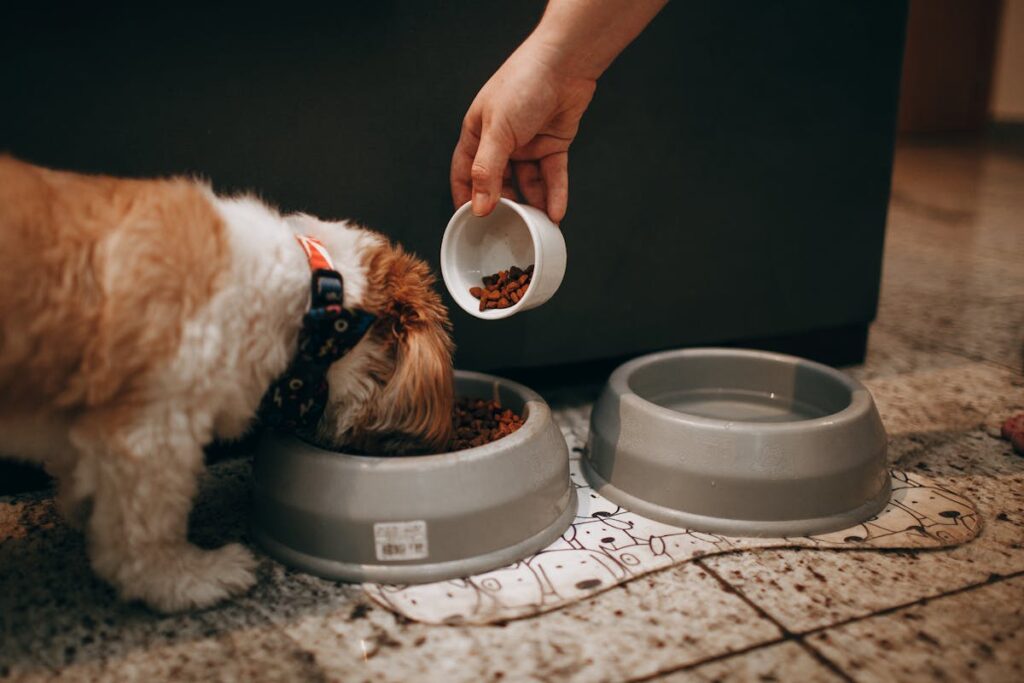
Consistency is key when it comes to feeding puppies. Establishing a regular feeding schedule helps your puppy understand when it’s time to eat. Offer food at the same times each day and remove it after 15–20 minutes if they don’t eat.
This approach teaches your puppy that food won’t always be available, encouraging them to eat during mealtime. Over time, this routine can significantly improve their eating habits.
Sometimes, the issue is as simple as your puppy not liking their food. High-quality puppy food with proper nutrients and appealing taste can make a big difference. You can also try slightly warming the food to enhance its aroma, making it more enticing.
Adding a small amount of wet food or broth can also help stimulate appetite. However, avoid turning this into a habit that creates dependency on extras.
Creating a calm feeding environment is essential. Choose a quiet spot away from distractions where your puppy can eat peacefully. Avoid loud noises or interruptions during mealtime.
Spending time with your puppy and building trust can also reduce anxiety. A relaxed puppy is far more likely to have a healthy appetite.
Regular exercise can help stimulate hunger. Taking your puppy for a short walk or engaging in play before mealtime can increase their appetite. Just like humans, physical activity can make them feel hungry.
You can also try hand-feeding initially to build comfort and encourage eating. Once your puppy feels secure, you can gradually transition back to normal feeding.
Not all human foods are safe for puppies. Some can even be toxic and lead to serious health issues. Avoid giving your puppy chocolate, grapes, onions, garlic, and excessively fatty foods. These can harm their digestive system and overall health.
Feeding table scraps regularly can also make puppies picky eaters. They may start rejecting their balanced diet in favor of tastier human food, which lacks essential nutrients.
If your puppy hasn’t eaten for more than 24 hours or shows additional symptoms like vomiting, diarrhea, or lethargy, it’s time to consult a veterinarian. Professional evaluation can identify underlying health issues that may not be visible at home.
A vet can provide proper diagnosis and treatment, ensuring your puppy gets back to normal quickly. Ignoring prolonged appetite loss can lead to serious complications, especially in young puppies.
Preventing eating issues starts with building healthy habits early. Stick to a consistent feeding schedule, provide high-quality food, and avoid overfeeding treats. Regular vet check-ups can also help catch potential health problems before they become serious.
Creating a stress-free environment and maintaining a routine will help your puppy feel secure and comfortable. A happy puppy is far more likely to eat well and stay healthy.
A puppy not eating can feel alarming, but in many cases, the cause is simple and manageable. Whether it’s stress, diet changes, or minor behavioral issues, understanding the root cause is the first step toward solving the problem. By observing your puppy closely and making small adjustments, you can often restore their appetite quickly.
A puppy should not go more than 24 hours without food. If they do, it’s best to consult a veterinarian.
Yes, it’s common for new puppies to skip meals due to stress and adjustment to a new environment.
No, force-feeding can create negative associations with food. Instead, focus on improving their environment and routine.
Yes, teething can cause discomfort, making puppies less interested in eating temporarily.
You can add a small amount of warm water, broth, or wet food to enhance flavor and smell.
Monday-Saturday 11-6
Sunday 12-4
Copyright © 2026 Waggs To Riches Pet Boutique. Developed by Wyne Technologies LLC .