

A round, full belly can be common in young puppies, especially after eating a meal. However, if your puppy’s abdomen suddenly becomes larger than usual, feels tight, or is accompanied by unusual behavior, it could indicate an underlying health problem. Understanding the possible reasons behind a puppy swollen belly helps you know when simple observation is enough and when immediate veterinary care is necessary.
Some causes of abdominal swelling are harmless and temporary, while others can become life-threatening if left untreated. Paying close attention to your puppy’s appetite, energy level, bowel movements, and breathing can provide valuable clues about the seriousness of the condition.
A swollen belly simply means the abdomen appears larger or more rounded than normal. In healthy puppies, the stomach may look slightly full after eating or drinking. This type of swelling usually decreases within a few hours and is not accompanied by pain or discomfort.
A concerning swollen belly often develops quickly or continues to enlarge over time. The abdomen may feel firm, tight, or painful when touched. Some puppies may also become restless, lose their appetite, vomit, or struggle to breathe. These signs indicate that the swelling is more than just a full stomach and should not be ignored.
A normal puppy belly is soft, flexible, and only mildly rounded after meals. Your puppy remains playful, eats normally, and has regular bowel movements.
A swollen belly caused by illness often looks unusually enlarged and may feel hard or tense. Puppies may appear uncomfortable, avoid movement, cry when picked up, or refuse food. Recognizing this difference is one of the first steps in identifying potential health concerns.
There are several possible reasons for a puppy swollen belly, ranging from simple digestive issues to serious medical emergencies.
Young puppies often eat enthusiastically, especially if food is freely available. Eating too much too quickly can temporarily stretch the stomach and create a noticeably round abdomen.
Signs include:
Offering smaller, scheduled meals can help prevent overeating.
Intestinal worms are among the most common causes of a swollen belly in puppies. Roundworms, hookworms, whipworms, and other parasites steal nutrients and irritate the digestive tract.
Common symptoms include:
Routine deworming and veterinary checkups are essential during puppyhood.
Swallowing air while eating or reacting to a new food can cause gas buildup inside the digestive system.
You may notice:
Most mild digestive upset improves within a day, but persistent symptoms should be evaluated by a veterinarian.
Constipation can cause stool to accumulate in the intestines, making the abdomen appear larger than usual.
Signs include:
Providing adequate hydration and a balanced diet often helps prevent constipation.
Fluid accumulation inside the abdomen, known as abdominal effusion, is less common but can result from infections, liver disease, heart disease, or internal injuries.
Symptoms may include:
This condition requires prompt veterinary diagnosis and treatment.
Liver disease, kidney disorders, or congenital abnormalities can sometimes cause abdominal enlargement in puppies. These conditions may also affect growth, energy, and overall health.
Additional symptoms may include:
Veterinary testing is necessary to determine the underlying cause.
Although uncommon in young puppies, gastric dilatation-volvulus (GDV), also called bloat, is a life-threatening emergency. The stomach fills with gas and may twist, cutting off blood flow.
Symptoms include:
Immediate emergency veterinary care is critical if bloat is suspected.
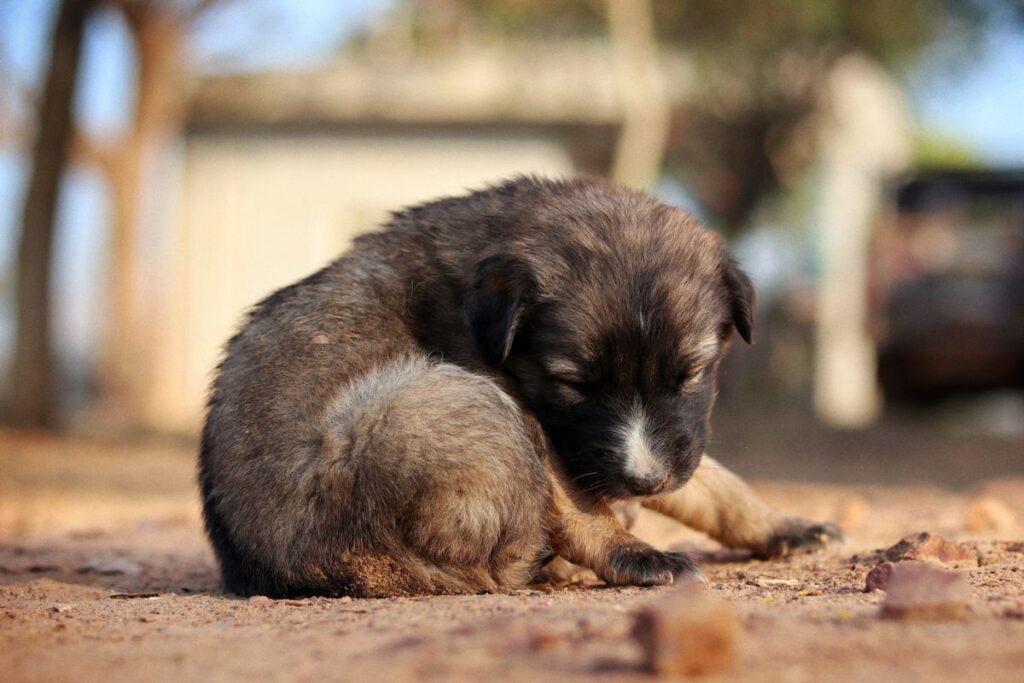
A swollen abdomen often appears alongside other symptoms that help identify the underlying problem.
| Symptom | Possible Cause |
| Vomiting | Digestive blockage or infection |
| Diarrhea | Parasites or stomach upset |
| Poor appetite | Illness or pain |
| Lethargy | Infection or organ disease |
| Difficulty breathing | Severe abdominal swelling |
| Constipation | Digestive blockage |
| Fever | Infection |
| Weight loss | Parasites or chronic illness |
The combination of symptoms often provides valuable information for your veterinarian.
Not every swollen belly is an emergency, but some situations require immediate attention.
Contact your veterinarian if your puppy:
Young puppies can become seriously ill quickly, making early evaluation especially important.
Seek emergency veterinary care immediately if your puppy:
Prompt treatment greatly improves the chances of recovery.
Finding the exact cause of a puppy swollen belly begins with a physical examination and a review of your puppy’s medical history, diet, vaccination schedule, and deworming status.
Your veterinarian may recommend several diagnostic tests depending on the symptoms.
These may include:
These tests help determine the most appropriate treatment plan.
Treatment depends entirely on the underlying diagnosis.
Your veterinarian may recommend:
Avoid giving your puppy human medications unless specifically instructed by a veterinarian.
You can support your puppy’s recovery by:
Always contact your veterinarian if symptoms worsen or new signs develop.
Many cases can be prevented with good daily care.
Helpful preventive measures include:
Preventive care supports healthy growth and reduces the risk of digestive problems.
A puppy swollen belly can have many different causes, from overeating and intestinal parasites to more serious conditions such as fluid accumulation or gastric bloat. Observing your puppy’s behavior, appetite, and overall condition can help you recognize when the swelling is temporary and when it requires immediate medical attention. Early diagnosis and prompt veterinary treatment often lead to the best outcomes, especially in young puppies that can become ill rapidly. If your puppy develops persistent abdominal swelling or shows signs of pain, breathing difficulty, or weakness, seeking veterinary advice without delay is the safest choice.
A slightly round belly after eating is normal, but persistent or painful swelling should be evaluated by a veterinarian.
Yes. Intestinal parasites, especially roundworms, commonly cause a pot-bellied appearance in young puppies.
You should contact your veterinarian if the swelling lasts several hours, worsens, or is accompanied by vomiting, diarrhea, breathing problems, or lethargy.
Yes. Eating too much food at once can temporarily enlarge the stomach, but the swelling should decrease after digestion.
It can be. A hard, rapidly expanding abdomen, difficulty breathing, collapse, or repeated unsuccessful vomiting requires immediate emergency veterinary care.
Monday-Saturday 11-6
Sunday 12-4
Copyright © 2026 Waggs To Riches Pet Boutique. Developed by Wyne Technologies LLC .