
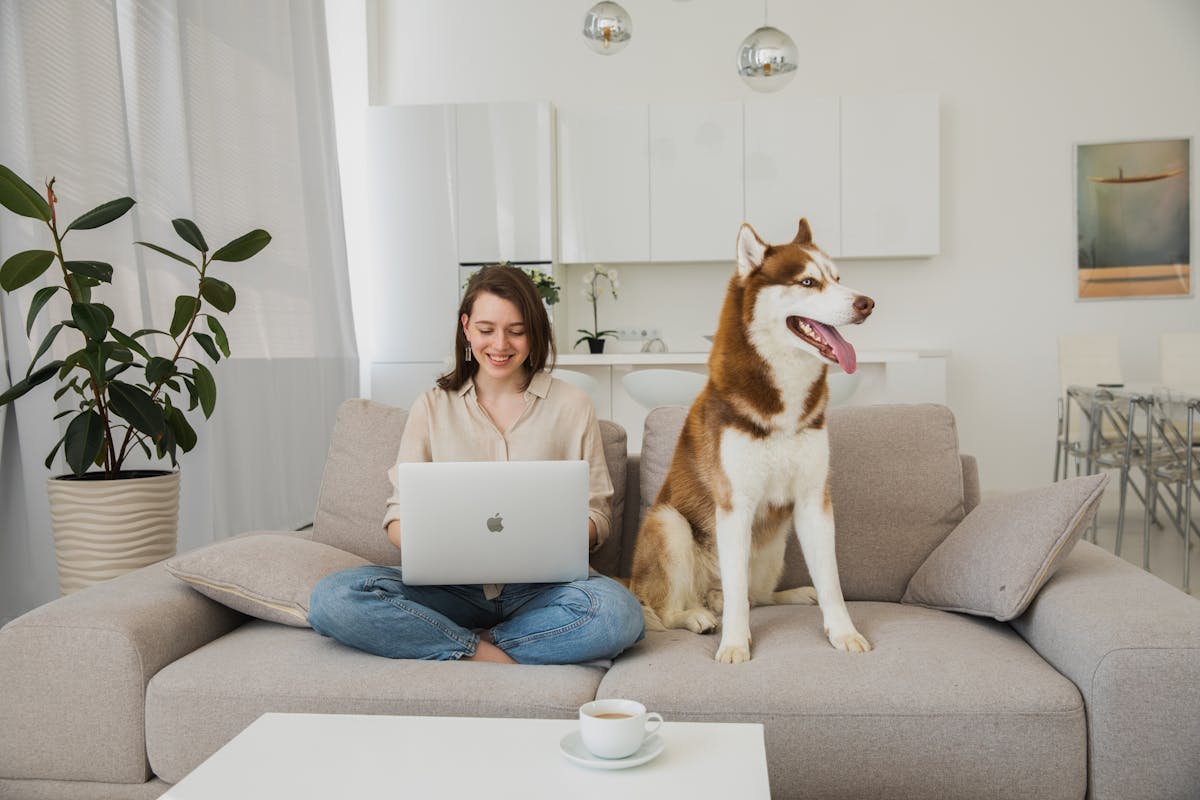
Leaving your pet at home while you head off to work can feel heartbreaking. Those puppy eyes or a cat curled up by the door can make even the strongest pet parent feel guilty. The good news is that your pet does not have to feel lonely or bored just because you are away. With the right routine, environment, and mindset, you can keep your pets happy, relaxed, and emotionally balanced throughout the day.
This detailed guide walks you through practical and realistic ways to support your pet’s happiness while you are at work, no matter how long your workday feels.
Yes, pets do miss their owners. Dogs are especially social and form strong emotional bonds. Cats can be more independent but still notice changes in routine and absence.
Pets may not understand work schedules. What they understand is consistency. When that consistency is missing, they can feel confused or anxious.
Recognizing these signs early helps you make adjustments before behaviors turn into habits.
Your pet’s emotional state often mirrors how the day begins. A rushed, chaotic morning can leave your pet stressed for hours. A calm, engaging morning builds confidence and comfort.
A tired pet is a happy pet. Even a short walk or play session helps release energy and reduces boredom.
For dogs, a brisk walk or fetch session works wonders. For cats, interactive play using wand toys helps burn off energy.
Ten focused minutes of affection beats an hour of distracted attention. Talk to your pet, pet them calmly, and maintain eye contact. This reassures them before you leave.
Your pet should have a designated area where they feel secure. This could be a bed, crate, or favorite corner.
Make sure the area includes:
Open curtains to let sunlight in. Fresh air and light help regulate your pet’s internal clock and mood.
If possible, leave a window slightly open with secure screens for airflow.
Toys are not just entertainment. They are mental workouts.
Great options include:
Rotate toys every few days to keep them interesting.
Instead of serving meals in a bowl, use slow feeders or hide small portions around the house. This turns eating into a game and prevents boredom.
Modern pet cameras let you see, hear, and even talk to your pet while at work. Some models dispense treats too.
Hearing your voice can calm anxious pets and reassure them that they are not alone.
Timed feeders ensure consistent meals. Water fountains encourage hydration and add a soothing sound to the environment.
Separation anxiety goes beyond boredom. It includes panic behaviors like pacing, whining, or destruction linked directly to your absence.
Practice leaving for short periods and returning calmly. Avoid dramatic goodbyes and excited greetings.
Your goal is to make coming and going feel normal and boring.
Pets rely heavily on scent. Leaving a worn shirt or blanket with your scent can provide comfort throughout the day.
Soft music, talk radio, or pet friendly audio tracks can reduce silence and create a sense of presence.
Avoid loud or sudden noises that may startle your pet.
If you work long hours, consider hiring a dog walker or pet sitter. Even a 15 minute visit can break up the day and provide relief.
A familiar face checking in can boost your pet’s mood and reinforce social bonds.
Dogs thrive on routine. Predictable schedules for walks, meals, and play help them feel secure.
Cats enjoy alone time but still need stimulation. Vertical spaces, window perches, and interactive toys work well.
Birds, rabbits, and hamsters need stimulation too. Rotate toys, provide safe chew options, and ensure a calm environment.
Reward calm behavior when you are home but not interacting. This teaches your pet that independence is safe.
Do not reward whining or excessive attention seeking right before you leave. Calm behavior should always be praised.
Excited greetings can increase anxiety over time. Greet your pet calmly and give affection once they settle.
Evening walks, grooming, or cuddle time reinforce trust and happiness. This reassures your pet that your absence was temporary.
If anxiety or destructive behavior continues despite changes, seek professional advice. Sometimes underlying health issues or deeper anxiety need expert care.
Keeping your pets happy while you are at work is all about balance, preparation, and empathy. Your pet does not need constant attention, but they do need mental stimulation, emotional reassurance, and a predictable routine. By creating a supportive environment, using enrichment tools, and staying mindful of your pet’s emotional needs, you can leave for work knowing your furry companion feels safe, calm, and loved.
A happy pet makes coming home even more rewarding.
Dogs should not be left alone for more than eight hours regularly. Puppies and senior dogs need more frequent breaks.
Yes, especially for anxious pets. Hearing your voice and seeing activity can provide comfort.
Absolutely. Interactive toys challenge your pet’s mind and reduce destructive behavior.
Only if you can manage the responsibility. Not all pets benefit from another animal.
Yes, as long as it is soft and calming. Avoid loud or sudden sounds.
Monday-Saturday 11-6
Sunday 12-4
Copyright © 2026 Waggs To Riches Pet Boutique. Developed by Wyne Technologies LLC .